Your basket is empty

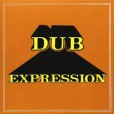
A top-notch selection of High Note and Gay Feet rhythms, expertly mixed the old-fashioned way by Duke Reid’s nephew, Errol Brown.
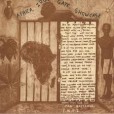
Brilliant toasting and singing by the likes of Prince Hammer, Echo Minott, Trinity and Lee Van Cliff, over gold-plated Roots Radics rhythms. A precious blend of heavier-than-lead roots, new-thing dancehall flow, and youthman promotion, curated by Hammer himself in 1982. Deeply enjoyable from start to finish.
Classy, proto-lovers, full-scale do-over of the Robert John 45 still big in Northern Soul circles.
The original arranger, none other than Gene Page gets a run for his money in the typically sophisticated instrumental version by Geoffrey Chung and the In Crowd.
Agony aunts Clifford Morrison and Dada Smith from The Bassies, with George Blake replacing Leroy Fischer, in 1969. Cornerstone moonstompers, both sides.

Born in Burlington, Vermont, and conservatory-trained in the US, the cellist Tristan Honsinger moved from Montreal to Amsterdam in 1974, quickly linking with Han Bennink and Misha Mengelberg, and opening a long and fruitful musical relationship with Derek Bailey. Recorded in 1976, Duo displays a performative musical approach already characterised by the lack of inhibition which would later endear him to The Pop Group: he is knockabout, exclamatory, explosively rhythmic; burping Bach and folk melodies with spasmodic lyricism, in amongst the garrulous textures and accents of his scraping, bowing and plucking, and gibbering like a monkey; throwing out his arms and stamping the floor, grappling with his instrument like an expert clown, always on the lookout for new ways to trip himself up. You can hear Bailey revelling in the company, as he ranges between scrabbling solidarity and an askance skewering of his partner’s antics, on prepared (nineteen-string) and standard electric guitars — and a Waisvisz Crackle-box, for the garbled, quizzical, cross-species natter which closes The Shadow. Throughout, the spirited interplay between laconic, analytic wit and guttural, sometimes slapstick physicality is consistently droll, often laugh-out-loud funny; vigorously alert, alive and gripping.
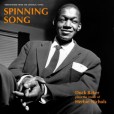
Superlative solo acoustic guitar interpretations of the compositions of the brilliant, offbeat pianist. (Herbie’s two mid-fifties Blue Note LPs are unmissable; dazzlingly just a totter sideways of Monk. He co-wrote Lady Sings The Blues with Billie Holiday.)
Acoustic Guitar magazine called it ‘one of the best guitar records ever recorded — by anybody.’
“Nowadays a lot of people are giving Nichols’ music the attention it deserves, but only Duck Baker’s playing makes me feel Herbie in the room” (Roswell Rudd).
Warmly recommended.
Roy Orbison production.
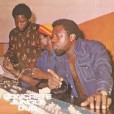
Tough dubs of a clued-up selection of Techniques rhythms, from 1976, including Stalag, Cheer Up Black Man, and Johnny Osbourne’s interpretation of The Delfonics’ Ready Or Not. Ace.
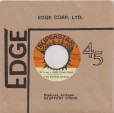
Young bros Glen, Dalton, Noel, Cleveland and Danny, irresistibly doing over MJ for Geoffrey Chung. ‘She makes my motor purr.’
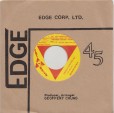
Superb, soulful, easy-rocking, Philly-dilly reggae. Old-school call-and-answer vocals, full of personality and charm; beautifully arranged, with criss horns. Class.
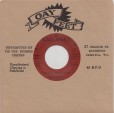
Gorgeous singing by Carlton (from Carlton & The Shoes and The Abyssinians), with tasty nyabinghi drumming in the accompaniment.
“I was writing songs but I didn’t record until 1968. I did one song for Lee Scratch Perry. He gave me £5 and then I didn’t hear anything more about it. Then I went down to Mrs Pottinger, did one song for her named Live and Love on the Gay Feet label. It was played on the radio for a couple of days and it wasn’t going anywhere really because she had some good artists down there at the time and they did some songs that were doing well, so my song wasn’t getting much promotion and it wasn’t being played. I think I heard it twice on the radio and then I didn’t hear it anymore.”