Your basket is empty

Unmissable rocksteady: a magnificent version of the Curtis; and a hard-rocking Never Let Me Go.
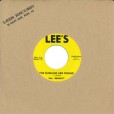
Copper-bottomed rocksteady do-over of Take Five, by Buster’s go-to saxophonist. The title is nicked from a comedy film directed by Norman Jewison, out a couple of years beforehand in 1966.
Plus Glen Adams having a not so shabby go at an Eddie Holman, on the flip.
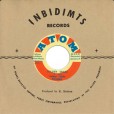
A Keith Hudson production with a strong whiff of Studio One to its bumping rhythm. JC typically bosses this song about requited love, which gives no clue where the golden snake comes in.
That’s none other than Clive Chin from Randy’s, toasting on the flip.
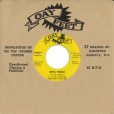
Two sides of rare, body-rocking rocksteady lit up by Linval Martin’s personable singing, and the sweet, warm close harmonies of Hyacinth McKenzie and co, behind him.
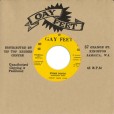
Party music for sufferers, Count Ossie style: deep, spiritual and hurt, but still up for it.
Plus a sensational nyabinghi version of Miriam Makeba’s massive Pata Pata, with Patsy pon mic.
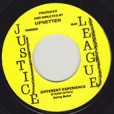
Neglected, stunning, mystical Upsetters roots — with scrumptiously extended trombone — first released in Amsterdam on Henk Targowski’s Black Art imprint (bundled with special mixes of Cane River Rock and Dread Lion).
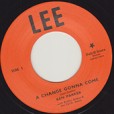
The Blues Buster showing his gospel roots in this superb, soaring version of the Sam Cooke, with support from Bobby Aitken and the Carib Beats.
Backed with some bumptious ska, led by Val Bennett.
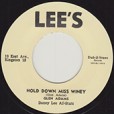
Easy-squeeze, rocking steady loveliness from 1968.
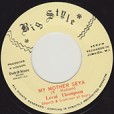
A deadly, zonked Soul Syndicate excursion on Westbound Train, with Keith Hudson as the Fat Controller. Introducing a young LT — his first recording, he says — stylistically indebted to Dennis Brown.
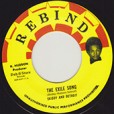
Killer roots detournement of Georgia Turner‘s dread blues about a New Orleans brothel, to the tune of a seventeenth-century English folk song, by way of Bob Dylan, Nina Simone and The Animals.
Bunny Gale revives another folk song on the flip — Dead Man’s Chest — via The Viceroys’ classic Studio One outing.
More crucial Keith Hudson runnings, courtesy of Dub Store in Tokyo.
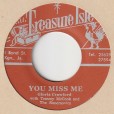
Sweet rocksteady lovers, rather impassively worried about being apart for a while; plus the Supersonics’ slinky, tiptoe classic Our Man Flint (nodding to James Coburn’s piss-take of 007, just then arriving in Kingston cinemas).
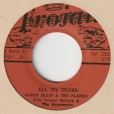
Two Duke Reids: hard-swinging, emotionally distressed rocksteady from Mr Soul Of Jamaica himself, down on his knees, hand on heart; and a terrific version of Gene Chandler’s Duke Of Earl on the flip.
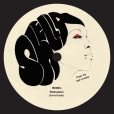
Scorcher!
Rothadam aka Errol Gayle tried out for Bunny Lee before following his brothers from Trenchtown to Toronto in the early-1970s. Here, his fellow-welder Sid Lovejoy also ran a record shop, label and studio, at 917 Bathurst Street; and in 1975 the first iteration of Rebel was unleashed on Sid’s LMP imprint (cut a little slower than this reissue), featuring none other than Leroy Sibbles on bin-wobbling bass; and massive, rearing, swinging horns (and melodica). The brass brings to mind the Otravis crew on Skyjack Version, also with Sibbles, for Half Moon; the hi-hats tick with the same serious-mindedness as at the start of Joe Higgs’ Creation; Rothadam channels Horace Andy to full effect.
Then Gayle reprised the song at Half Moon itself, with the Super Eight Corporation. Producer Oswald Creary passed the second recording — side two here — onto Ron Lewis, to put out on Ron-Lew. It’s more Upsetters in style, with a lighter touch; more limber, smoke-filled and cosmic, with a vibesing spoken intro and tasty percussion.
Both sides are raw, intense, inspiring roots.
Neither came with a dub… so dream on, rudie.
Hotly recommended.
Flexidisc.