

Your basket is empty

Ace UK steppers.
Imperious singing-chanting over a masterly, swirling Mad Prof mix, with Black Ark-lineage flute.
Here are the two of them, dishing it out live and direct.
So sick and tired of those evil forces.
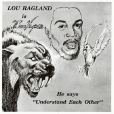
Sublime soul and funk by the Cleveland legend, 1967-77. Including the LPs Hot Chocolate and Understand Each Other, rare-groove holy grails; plus an unreleased live album.
The complete Motowns — two albums and a pair of out-takes.
Singers like Jimmy Thomas, Stacy Johnson, Vernon Guy, Jessie Smith, Bobby John, Jackie Brenston, Venetta Fields, Tina Turner, Ernest Lane, Dee Dee Johnson — fronting a super-tough Kings Of Rhythm lineup.
Killer diller guitar blues.
‘Rock and blues guitarists alike owe a gargantuan debt to Ike Turner. His ferocious whammy-bar hammering, choppy chording, and ultra-aggressive string-bending solos were way ahead of their time from the mid-1950s onwards.’
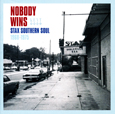
Plenty of killers, old friends like The Soul Children and William Bell alongside nuff new discoveries. Check the samples (if you think you’re hard enough).
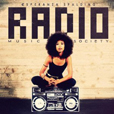
Fizzing, talk-of-the-town soul-jazz crossover by fine singer and prodigious bassist, loaded with promise. Joe Lovano and Lalah Hathaway amongst the guests.
Ace, quirky one-away — effervescent singing on a bubbling rhythm, with ticking drums and deft keyboard interjections.
Moody, heavy lovers, detourned by FW’s full-throated falsetto. Ace.
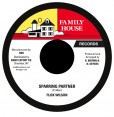
Heartically hymning male companionship over the same tough digi rhythm as Nathan Skyers’ Tribute To The Heroes… plus the dub. Previously unreleased.

1950s recordings by Bob Copper and Peter Kennedy — selected and presented by Shirley Collins in ways weighted towards the social lives and values of the performers.

Selected and presented by Shirley Collins.
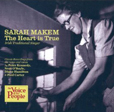
Fifties and sixties recordings by the great Irish singer, including many rarities.
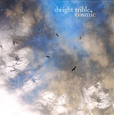
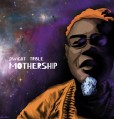
Spiritual jazz vocal in the great tradition of Leon Thomas, Joe Lee Wilson and Andy Bey, with excellent versions of I’ve Known Rivers and Ooh Child, and several terrific modal numbers; fine backing. Recommended.
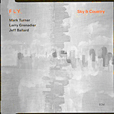
Mark Turner, tenor and soprano saxophones; Larry Grenadier, double-bass; Jeff Ballard, drums.
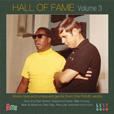
Geezers, this time, no groups or female singers. Old friends reinforced by series debuts from the likes of Herman Moore, Dan Brantley, Roy Lee Johnson and Anon, sticking close to the golden years, 1966-8.