Your basket is empty

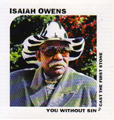
Thrilling primitive gospel from Alabama. Fuzzy, loud, dissonant guitar somewhere between Pops Staples, John Lee Hooker and the outsider R ‘n B of Hasil Adkins. True testifyin’ magic, and highly recommended.
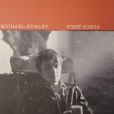
His lovely Folkways LP from 1965, when he was just 22, with classics-in-the-making like Blue Mountain and The Werewolf Song.
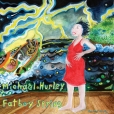
First-time-out for these early-seventies recordings — countrified drafts of some classic Hurley, with backing from Vermont mates the Fatboys, aka the Deranged Cowboys.
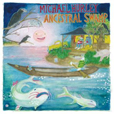
Laid-right-back — with old buddies Dave Reisch and Lewi Longmire, and Tara Jane O’Neil; a Blind Willie McTell and a Lightning Hopkins; and unmissable goes at favourites like Light Green Fellow. One of the very best Hurleys of them all.
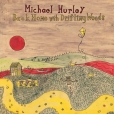
Precious 1964 recordings, top-notch though never previously released, part of the First Songs sessions for Folkways.
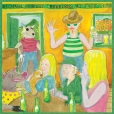
‘Pure pleasure is what it is,’ writes Byron Coley. ‘This was probably the first time Hurley brought his band out of the hills. Guitar, bass, drums, piano and trumpet, all of them beautifully in sync and swinging like the rural hippie boogie band they were — tested by long nights in halls filled with rowdy snowmobilers and the women who love them. Hurley & the Redbirds were more than ready to bowl over the city slickers who filled Folk City this hot mid-summer evening. Snock’s voice is limber and strong, flipping easily into falsetto and yodels, and the music is faultless. Something like the Platonic ideal of what ‘bar rock’ can be. They only do one tune from Have Moicy!, but nobody could have minded. The music rolls out like the sweetest-ever guzzle of maple syrup laced with Mello Corn Whiskey. So loaded, so powerful, you’re likely to shit the bed if you listen lying down.’
Recorded in NYC in 1976.
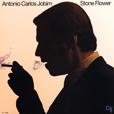
Testing bossa conventions, encouraged by ACJ’s move to Creed Taylor’s ambitious set-up, abetted by Deodato’s brilliant arrangements. From 1970, with Airto and Ron Carter; and some lovely electric piano.
‘Classic Vinyl Series.’
Classic Vinyl Series.

His third Blue Note as leader, in 1964, with Kenny Dorham, McCoy Tyner, Richard Davis and Elvin Jones. Rhythmically rooted in Trane, unsurprisingly, but Dorham and especially Henderson go their own searching, purposeful ways. The first three are his own compositions. Ace.
Knockout.
The opener is gorgeous. Ron Carter locks down the groove; Joe Henderson takes flight. Right away you know it’s a classic in store.
JH’s second for Milestone, from 1967-68, with two different rhythm sections; Kenny Barron; plenty of Trane in the air.
Very warmly recommended.