






Your basket is empty


His last two albums for Ko Ko, from 1976 and ‘77, a kind of curtains for vintage Muscle Shoals soul.
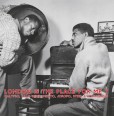
Still deeper forays into the musical landscape of the Windrush generation.
A dazzling range of calypso, mento, joropo, steelband, palm-wine and r’n'b. Expert revivals of stringband music, from way back, alongside proto-Afro-funk.
An uproarious selection of songs about the H-Bomb and modern phones, prostitution and Haile Selassie, mid-life crisis and the London Underground, racism and solidarity, the Highway Code and a 100% West Indian Royal Wedding.
For example some frantic British-Guianan joropo music-hall about Eatwell Brown from Clapham, who starts out biting off a piece of his mother-in-law’s face at a party, then devours everything in his path… a chunk of Brixton Prison, a Union Jack, a policeman’s uniform. Or Marie Bryant — collaborator of Lester Young and Duke Ellington — taking time off from skewering the South African PM Daniel Malan at her West End revue, to contribute some arch, swinging filth about uber-genitalia.
Superior sound, courtesy of Abbey Road, D&M and Pallas; lovely gatefold sleeve; full-size booklet, with full notes, and fabulous previously-unseen photographs, including a set from the family archive of Russ Henderson (who led the first, impromptu Notting Hill Carnival march, in 1966).
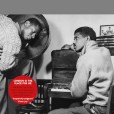
London Is The Place For Me
7 And 8: Calypso, Palm-Wine, Mento, Joropo, String Band; Kitch In England
Honest Jon's Records
The latest volumes in this much-loved, highly-acclaimed series presenting the music of the Windrush milieu: the post-war, London recordings of West Indians and West Africans, in the first wave of modern migration to Britain.
‘One of the delights of the age’ (Songlines).
’Superlative’ (Mojo); ’superlative’ (Independent); ’sensational’ (Observer).
‘Hugely evocative and poignant’ (Daily Telegraph); ’sheer joy from start to finish’ (Sunday Telegraph); ‘a witty and joyous testament’ (Guardian).
‘Impeccably curated and packaged’ (Wire).
***** Mojo, ***** Times, ***** Independent, ***** Daily Telegraph, ***** Evening Standard, ***** Metro.
Presented as a luxurious mini-book — all paper, no plastic — with suspended card sleeves for the discs. Forty pages of fabulous, previously-unseen photos and full notes, including a terrific, specially-commissioned essay by Kitch biographer Anthony Joseph.
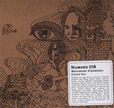
‘Bridging the gap between American primitive pioneers John Fahey and Leo Kottke and the California Modernists… the private side of the solo guitar movement from 1966-81.’ 40-page booklet, usual Numero class.
Male folk singers mithering and dithering all the way from 1970 to 1983: very introspective, sombre, spare and intimate, most of it originally pressed privately, plenty of it beautiful and haunting.
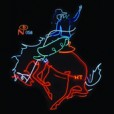
‘Gram Parsons had been orbiting the idea of Cosmic American Music for some time. In ‘68, he’d parted ways with the Byrds and was looking to take air with a new project. “It’s basically a Southern soul group playing country and gospel-oriented music with a steel guitar” he told Melody Maker, on the subject of The Flying Burrito Brothers. So it was that when A&M’s Burrito Brothers debut The Gilded Palace of Sin made it to shelves in February of 1969, early adherents to the Cosmic American gospel were already echoing its message from areas flanking Gram Parsons’ Southern California hills and canyons. There was F.J. McMahon in coastal Santa Barbara, Mistress Mary further inland in Hacienda Heights, and Plain Jane of Albuquerque, New Mexico…’
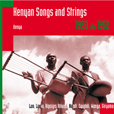
Luo, Luhya, Kipsigis, Kikuyu, Nandi, Swahili, Wanga and Giriama tribes. Choirs and songs with string accompaniment on guitar, oud, mostly lyres — like the thum, with eight strings, made of cow-tendons.