
Your basket is empty

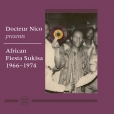
Docteur Nico & African Fiesta Sukisa
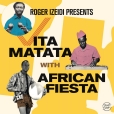
Docteur Nico Presents African Fiesta Sukisa 1966-1974
Planet Ilunga
A dazzling mixture of stone classics and gems buried deep in the Sukisa catalogue. Excellent booklet.
‘While exploring the Hawaiian guitar with its clear, airy, plangent, psychedelic effluvia, he continues to replicate the piano comping technique, and adds two missing strings to his bow: a simulation of the sanza (likembé or thumb piano), whose sounds he reproduces right down to the noisemakers of the tiny tin rings, on the one hand, and the sounds of the Luba balafon on the other… Docteur Nico is a genius of our time, whose style makes him the supreme exponent of the most important guitar school in Congolese music. He is recognized by his peers as the greatest African solo guitarist of all time.’
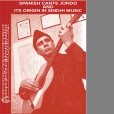
Balouch imbibed the Islamic mysticism and devotional songs of Sindh in southeastern Pakistan, before travelling to Gibraltar in the early 1930s. There he became fascinated by the cante jondo across the border in southern Spain.
Running backwards, his book — originally published in 1955 — traces the roots of flamenco’s ‘deep song’ deep within the ancient musical culture of his homeland. It messes with geographical, musical, and spiritual boundaries, taking personal feeling and intuition, and free musical imagination, as its guide.
65 pages; with a litho printed cover and French flaps, more like a snazzy booklet than a book.
Absorbing and liberating.
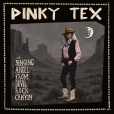
Four portions of lonesome country, by Toody Cole from Dead Moon, and The Rats.