
Your basket is empty

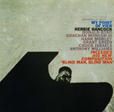
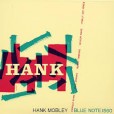
Amazing lineup — and a cool reworking of Watermelon Man.
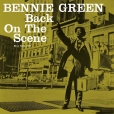
Anthony Williams, Chuck Israels, Grant Green, Grachan Moncur, Hank Mobley.
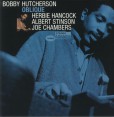
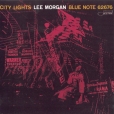
With Herbie, Joe Chambers and bassist Albert Stinson in 1967 (after Happenings). Smart, swinging, affective stuff. Theme From Blow Up gets a good seeing to.
Still sealed.
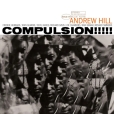
Stretching out in 1965, with John Gilmore, Joe Chambers and co, two extra percussionists, and two bassists on one track. Abstract, fierce, textured, compelling.
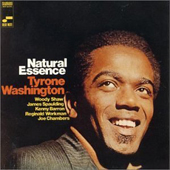
TW’s first Blue Note session was The Jody Grind. His debut as leader, at 23, Natural Essence is a winning mid-sixties set of his own compositions. Post-Trane dancers, jams; some lovely tunes. Woody Shaw, too.
DC’s first album as leader, after leaving the Ornette Coleman Quartet. Two side-long suites, recorded in single takes on Christmas Eve, 1965. Bristling with creativity, rammed with great tunes and brilliant solo spots. Cherry plays cornet, alongside Gato Barbieri, Henry Grimes and Ed Blackwell. In the same year as his own debut as leader — The Call for ESP — Grimes is terrific.
From 1963, following stints for Jackie McLean on One Step Beyond and Destination… Out!, this is maybe the great trombonist’s best record, with Wayne Shorter, Herbie Hancock, and Tony Williams — all involved with Miles around this time — and Cecil McBee. Four Moncur originals: bold, free, forward-looking music; but expansive and assured, never forced. ‘Some other stuff’; not full of itself, but a bit different. Try The Twins — dedicated to his two brothers — for a better sense of his musical good humour.
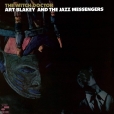
Top-notch Messengers, from the same enraged 1961 recording sessions as Freedom Rider.
Six compositions by Wayne Shorter, kicking off with the fierce jazz-dancer Ping Pong.
Bobby Timmons alternates with Walter Davis Jr.