Your basket is empty

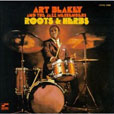
Top-notch Messengers, from the same enraged 1961 recording sessions as Freedom Rider.
Six compositions by Wayne Shorter, kicking off with the fierce jazz-dancer Ping Pong.
Bobby Timmons alternates with Walter Davis Jr.
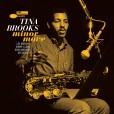
His first session for Blue Note, with a killer lineup: Sonny Clark, Lee Morgan (just nineteen), Doug Watkins and Art Blakey.
The bluesy Nutville and latinized Minor Move are Brooks originals. He takes a jacking reading of Jerome Kern’s The Way You Look Tonight for his own. Star Eyes is borrowed from Bird, showing off Lee Morgan, with a magical, inimitable solo by Sonny Clark.
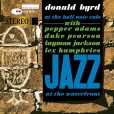
‘One of the most essential hard bop purchases in the canon. The performances by Duke Pearson — four of his own tunes, five by Byrd, and standards — showcase his improvisational acumen at its height. His soloing on studio records pales in comparison. This was a hot quintet, that not only swung hard, but possessed a deep lyricism and an astonishing sense of timing’ (Allmusic).
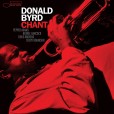
1961 session with Pepper Adams and Herbie Hancock. Kicks off with I’m An Old Cowhand… always a winner.
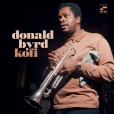
Ace, key DB. ‘The perfect bridge between his spacey late-60s attempts to mimic Miles, and his tighter early-70s jazz-funk with the Mizells.’ Trumpet-tenor-flute; Duke Pearson on electric piano.
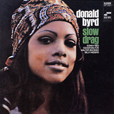
Ace hard bop from 1967, elegantly alternating bluesy with modal. Cedar Walton, Billy Higgins, and the excellent Sonny Red. The title track is extended, sultry and grooving; and there’s a version of the dancer Book’s Bossa.
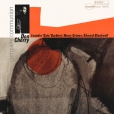
DC’s first album as leader, after leaving the Ornette Coleman Quartet. Two side-long suites, recorded in single takes on Christmas Eve, 1965. Bristling with creativity, rammed with great tunes and brilliant solo spots. Cherry plays cornet, alongside Gato Barbieri, Henry Grimes and Ed Blackwell. In the same year as his own debut as leader — The Call for ESP — Grimes is terrific.
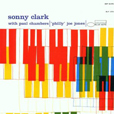
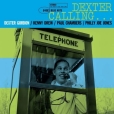
The 1957 recording with Paul Chambers and Philly Joe Jones.
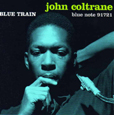
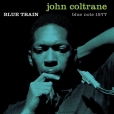
Hard-blowing bop classic from 1958, when Trane was with Monk. A crack sextet rounded out by the richly soulful trombone of youngster Curtis Fuller. Next stop, Giant Steps.
The cheaper LP is in the Blue Note ‘Essential Vinyl’ series.
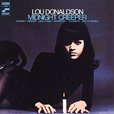
Bringing the funk in 1968, with George Benson, Lonnie Smith, Blue Mitchell, and Leo Morris (who became Idris Muhammed)... not forgetting Dapper Dan.
With Blue Mitchell, Lonnie Smith, Jimmy Ponder and Leo Morris (aka Idris Muhammad) in 1967. Peepin’ steals the show.
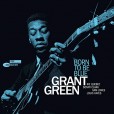
‘Best of all his Blue Notes… Quebec is on cracking form here, and his pitch and phrasing on Someday My Prince Will Come should be a lesson to all young jazz players. Green has, for us, his finest hour, ripping though My One And Only Love and If I Should Lose You with a ruggedness of emotion that goes hand and hand with the simplicity of diction. Not a single note is wasted’ (The Penguin Guide To Jazz).
We ship worldwide. The postage rates for your order are displayed before payment, which is processed using Paypal. You can pay using your Paypal account or any of the following cards. No need to join Paypal.