Your basket is empty

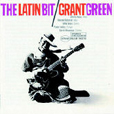
From 1963 — with Wendell Marshall (bass), Willie Bobo (drums), Johnny Acea (piano), Carlos ‘Patato’ Valdes (congas), Gavin Masseaux (chekere); and on the last two Ike Quebec and Sonny Clark.
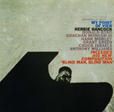
Amazing lineup — and a cool reworking of Watermelon Man.
Anthony Williams, Chuck Israels, Grant Green, Grachan Moncur, Hank Mobley.
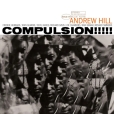
Stretching out in 1965, with John Gilmore, Joe Chambers and co, two extra percussionists, and two bassists on one track. Abstract, fierce, textured, compelling.
Booker Ervin! Mira!
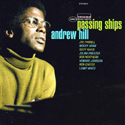
Dazzling music from 1969, way ahead of its time, by a nonet with Woody Shaw and Dizzy Reece on trumpets, Joe Farrell on reeds, woodwinds, and English horn, Bob Northern on French horn, Howard Johnson on tuba and bass clarinet, Ron Carter on bass. Fresh from Bitches Brew, Lenny White plays drums at just his second recording session; trombonist Julian Priester is a few months away from Mwandishi.
Sideways establishes Hill’s signature twist on Monk and Bud Powell, with its angular, sinewy restlessness, and Caribbean tang. The horns are crossly careering. The evocative title cut has classical, cinematic manners, but in the service of East of the River Nile mysticism. Plantation Bag is magnificent, delirious, epic funk, with Lenny White channelling Clyde Stubblefied, and Ron Carter dug in deep. Noon Tide tears way further eastwards, in the same urgent cohort as classics like Yusef Lateef’s Chang, Chang, Chang and Pete La Roca’s Dancing Girls. Cascade is precisely skittering and eruptive, with wonderful trumpet-playing. Yesterday’s Tomorrow is playful, both jaunty and rueful, undecided, to close.
The arrangements throughout are imperious; the playing is uniformly superb. “We had rehearsal time and a lot of studio time. Some of those songs, we did take 45 or take 50. We played them over and over and over, till we got a complete take just right.’‘
Knockout.
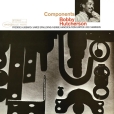
Five-star business. With James Spaulding, Freddie Hubbard, Herbie Hancock, Ron Carter and Joe Chambers, in 1965. The first side is all Hutcherson compositions — including Little B’s Poem, his lovely signature tune, written for his toddler Barry — the second all Chambers’, more abstract and reaching.
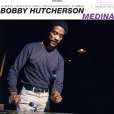
From 1969, with Harold Land, Stanley Cowell, Reggie Johnson, and Joe Chambers, coolly charting a path all their own, out of the tumultuous decade.
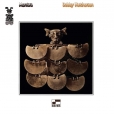
‘Montara is one of the great feel-good jazz albums of the 1970s, one of the great Latin jazz albums of the 1970s, and one of the great groove jazz records. Seek it out without hesitation’ (AllMusic).
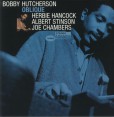
With Herbie, Joe Chambers and bassist Albert Stinson in 1967 (after Happenings). Smart, swinging, affective stuff. Theme From Blow Up gets a good seeing to.
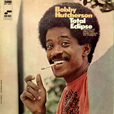
From 1969, this first collaboration with Harold Land — questing but chilled post-bop — is probably the best.
Steeped in the compositions of Joe Chambers, the closer Pompeian is a tour de force; opening as a waltz, detouring into moody marimba.
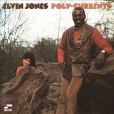
With George Coleman, Joe Farrell, Pepper Adams, Wilbur Little, and Candido.