
Your basket is empty

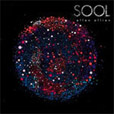
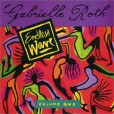
Captivatingly austere, minimal, deconstructed, but deft and in a way intimate.
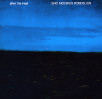
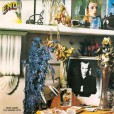
With Eno more the guiding hand for this second collaboration with Cluster. Open, airy, ambient, unhurried. Originally released in 1978, but still fresh (except for Eno’s singing).
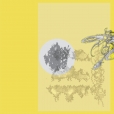
Zarko Komar aka Feloneezy winging in from Belgrade — by way of Hyperdub — with an EP of hypnotic psychedelia.
Four characteristically intimate, steppers blends of jungle and juke, unfurling into intervals of dub and jazz; axis as nexus, threaded with field recordings, startlingly dotted with song.
Check it out.
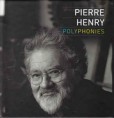
Previously unreleased music by the electroacoustic music pioneer, from 1973-1992.
Commercials, commissions and secrets.
Photophonie itself was made for a photographic exhibition by Alain Willaume. Il Etait Une Fois was commissioned by the GMEB; Trans-Voices by the American Center, Paris. Leica is by way of a jingle for the camera company.
Flexidisc.
Inspired by Guy Debord, the detournement of the 1990 album City: Works Of Fiction, assembled twenty-four years later by Hassell, from alternate takes, demos and studio jams, in the same spirit of hip-hop-inspired, dubwise future-funk.
First time on vinyl.
A September 1989 performance at the World Financial Center Winter Garden in New York City, with Brian Eno mixing live.
‘During this period Hassell was inspired by the increasingly innovative production techniques being used in hip-hop, in particular the hyper-collaged sampledelic barrage of the Bomb Squad’s work with Public Enemy, hearing it as a kind of extension of the tape splicing that Teo Macero brought to his work with Miles Davis. He began to incorporate more of this aesthetic into his own music, playing over loops of his own performances and riffing on angular juxtapositions of noise, rhythm and melody.’
First time on vinyl.