

Your basket is empty


Chet Baker
Chet Baker Sings
Pacific / Blue Note
This 1954 vocal LP was the trumpeter’s idea. Pretty much everyone in the studio was sceptical, but Baker stuck to his guns during the numerous takes required to iron out his tuning. ‘I thought it was bullshit,’ recalled his close collaborator, pianist Russ Freeman. ‘Louis Armstrong and Jack Teagarden sang like jazz singers. This was ballads. Totally meaningless.’ Metronome magazine pilloried Baker’s ‘abysmal vocal deficiencies’, like ‘a four-month-old baby’s lack of coordination because he can’t walk.’
Punters loved it. The same year, audience polls in Down Beat magazine made him best trumpeter and best vocalist, above Miles Davis and Nat King Cole. This LP became his best-seller, over the decades. Its version of My Funny Valentine is arguably definitive.
The sexual and racial politics of its reception run fascinatingly deep. Baker’s ‘white’, ‘effeminate’ singing style demurs a throw-down with ‘expressive’, ‘black’ machismo. (Bob Dorough, Mose Allison, and Michael Franks are fellow travellers.) ‘A lot of people thought — foolishly so — that because of the way I sang, I, y’know, liked fellas or something,’ Baker once remembered, nervously. According to his biographer James Gavin, the album made him the first jazz musician with a ‘strong homosexual following’. Pacific Jazz producer Dick Bock’s marketing survey in 1955 found that most of Baker’s fans were women who wanted to hear him sing. It was a massive hit in Brazil, too, coursing into the bossa nova movement via admirers like Joao Gilberto and Nara Leao.

Superb singing, in Urdu, with reined-in accompaniment by Vijay Iyer on pianos and electronics, Shahzad Ismaily on bass and Moog.

Slower and funkier than the Gary Bartz excursion a few years earlier — with Bad Wilbur Bascomb popping away on electric bass, not Ron Carter — this unmissable 1974 version of Celestial Blues was a game-changing revive in the early nineties, a cosmic crossing of Bill Withers, Sly and Brian Jackson, threading trip hop and Jazz Dance through to Madlib.
‘C’mon meditate! Let’s contemplate!’
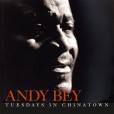
Recorded in 2000, with more or less the same lineup as Shades Of Bey, and the same richness of repertoire and textures. There are two Milton Nascimento classics, standards like I’ll Remember April and Little Girl Blue, and the sultry original Tuesdays In Chinatown. Top-notch Bey, supported by Ron Carter, Geri Allen, Mino Cinelu and Steve Turre. First time on vinyl. Warmly recommended.
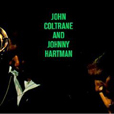
One of the very greatest jazz vocal albums of all time.
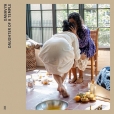
‘An innovative and deeply moving blend of spiritual jazz and South Asian devotional music’, with contributions from Esperanza Spalding, Vijay Iyer, Shabaka Hutchings, Immanuel Wilkins…
Mono.
With guests Kit Downes on hammond organ, and cellist Lucy Railton.
Jazz album of the month, in The Guardian: ‘an unusual path, combining spellbinding singing with wayward improv… Speak Low II foregrounds Cadotsch’s crystal-clear lyricism more than its predecessor without ever cramping the freedoms of her classy improvising partners. She brings a graceful accessibility to a personal and ingeniously offbeat setup.’
A no-frills, loving tribute — with Shirley’s longtime drummer Steve Williams and double bassist Curtis Lundy (brother of Carmen), formerly of Betty Carter’s group; also the fine pianist Alex Minasian and trumpeter Till Brönner.
Classy gospel soul, with a drop of funk and a couple of heavy breaks.
Featuring the early-70s Fantasy gang including Bernard Purdie and Richard Tee; The Reflections doing backing vocals; ace horns; Van Gelder engineering.
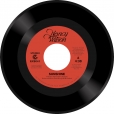
Knockout, anthemic rare groove, from the 1979 album Life, Love And Harmony. Ultra-jazzy, classy, and exultant, this is Nancy Wilson at her very best. She even throws in a quickfire Louis Armstrong impression. That’s John Klemmer playing saxophone.
Backed with The End of Our Love, a northern soul floor-filler from 1968, hard to come by.
Ace.
We ship worldwide. The postage rates for your order are displayed before payment, which is processed using Paypal. You can pay using your Paypal account or any of the following cards. No need to join Paypal.