Your basket is empty

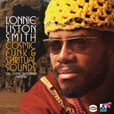
The best of the Flying Dutchmans.
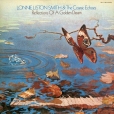
His final Flying Dutchman: classic jazz-fusion, imbued with Latin rhythms.
His brother Donald is in fine voice throughout, but that’s Lonnie himself singing on the grooving, anthemic opener; a kind of reprise of Expansions.
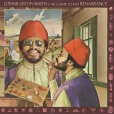
Next up, Renaissance.
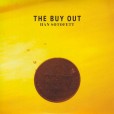
Warmly organic, engaging recordings, steeped in the verve and lore of seventies jazz, but characteristically up-for-it and irreverent, not remotely twee. One solo, duos and trios, cosmically lathered in synths, with virtuosic playing by Osaruxo, LNS, Jaakko Eino Kalevi, Fit Siegel and co.
Intended as a kind of promo for a tour of Japan, presented in a simple card sleeve.
Warmly recommended. Have a listen.
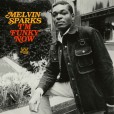
1976 recordings by the Texas Twister, never before released.
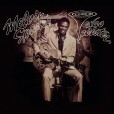
‘Producer Bob Porter brought the Texan guitarist to Prestige in 1970, where he recorded three albums as a leader and over a dozen as a session player, showing himself to be a wizard at playing funky licks and energised solos.
When Porter left Prestige to set up Eastbound Records in Detroit — as a branch of Westbound Records — Sparks followed on, and Texas Twister was his label debut, in 1973. The incredible rhythm section of Idris Muhammad, Sonny Phillips, Caesar Frazier and Wilbur Bascombe make this album a sure-fire funk bomb. On the front-line, a hard hitting horn section that includes Cecil Bridgewater and John Faddis is a perfect foil for Sparks.
‘With the monster acid jazz club cut Whip Whop and the frenetic Texas Twister, as well as a beautiful rendition of the Four Tops Ain’t No Woman (Like The One I Got).’
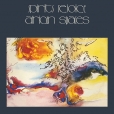
‘At a distance of more than forty years, the radicalism and significance of African Spaces can be seen more clearly. Ambitious, uncompromising, and resolutely progressive, it represents a unique high-water mark in South Africa’s long musical engagement with the newest developments in American jazz — a response to the cosmic call of Return To Forever, and an answer to Miles’ On The Corner… a complex and challenging jazz fusion that shifted the terms of South Africa’s engagement with jazz towards new music being made by pioneers such as Chick Corea, Weather Report, John McLaughlin, Pat Metheny and others.
‘This debut recording is one of the key documents in the South African jazz canon. Emerging in the aftermath of the 1976 Soweto uprising, and taking its place alongside the crucial mid-1970s music of Malombo, Abdullah Ibrahim, and Batsumi, it is a defining but unsung musical statement of its era.’
A compelling range of covers and homages, all-time heroes and new discoveries, to lift the spirits.