Your basket is empty

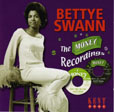
1965-67 recordings for John Dolphin’s Los Angeles label, including — amongst numerous original compositions by Bettye herself — the classic chart-topper Make Me Yours.
‘... compelling and eccentric mix of lopsided funk, freaky jazz and African disco, which gets through more rhythms than some people hear in a lifetime’, Time Out ; ‘***** pure bliss’, Kevin ‘The Bug’ Martin, Muzik.
Tearaway soca from the studio of Darryl Braxton, mixing it up with ragga and rave vibes.
West London broken beat meets JA dancehall. A Co-op classic by this Bugz mainstay.

Beautiful, insurgent, fabulously danceable jazz music from South Africa, flowing out of the penny-whistle kwela bands of the 1950s. (Kwela means ‘get moving’, in Xhosa.)
Bra Gwigwi played alto and clarinet alongside Hugh Masekela and Kippie Moeketsi in The Jazz Dazzlers; also in The Jazz Maniacs and The Harlem Swingsters. He came to the UK from Johannesburg as an actor and clarinettist in King Kong — a musical about a Zulu boxer — which opened in London in February 1961.
Recording in January 1967, at Dennis Duerden’s Transcription Centre, he is joined here by Dudu Pukwana, Chris McGregor, Laurie Allan, and Ronnie Beer, all from The Blue Notes. Ladbroke Grove legend, and mainstay of our London Is The Place For Me series, Coleridge Goode plays double bass.
No less than sixteen shots of jubilant, jump-up mbaqanga. Check the Ethiopian vibe of Mra (which became core repertoire of The Brotherhood of Breath). Listen to Nyusamkhaya, and try to get it out of your head. Impossible.
Lovely notes by Steve Beresford, too.
‘The South African folk music that makes people glad to be alive!’
Two no-flim-flam, cross-border, dub-wise stompers — paired with masterful versions — from the veteran, Kingston-based unit led by the trombonist of Count Ossie’s Mystic Revelation Of Rastafari and The Light Of Saba.
Driving Shaka murder. Fury and yearning folded into a perfect blend of digital and old-school music-making. A drum-machine and Bagga Walker from Studio One tear up the dub. Complete with rare, ebullient Colarman toast.

Taking its name from Jezreel, the Biblical city founded by the tribe of Issachar, where God is said to have cursed Ahab for his greed, this singing duo’s debut Wackies album is steeped in rasta spirituality.
‘Double-sided murder Wackie’s from 1978. Originally released on the Jumbo Caribbean Disco label from Brooklyn. Big Leg Mary is on the same rhythm as Wayne Jarrett’s killer Come Let’s Go. Wasn’t It You is a different cut from the earlier one on the Senrab label, but equally lethal. Both sides fully smoked-out dubwise trademark Wackie’s style, and essential.’
Three front-rank reggae singers — with extensive credits for such producers as Coxsone Dodd, Augustus Pablo and Glen Brown — whose work at Wackie’s without question includes their very best. Originally two 10s.
Thirty-four sides originally released by Jesse Jones’ twin labels out of Atlanta, between 1968-1977. Southern to Northern, classic R&B to modern soul, dancers to romancers.
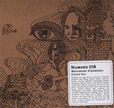
‘Bridging the gap between American primitive pioneers John Fahey and Leo Kottke and the California Modernists… the private side of the solo guitar movement from 1966-81.’ 40-page booklet, usual Numero class.
Male folk singers mithering and dithering all the way from 1970 to 1983: very introspective, sombre, spare and intimate, most of it originally pressed privately, plenty of it beautiful and haunting.
‘Gram Parsons had been orbiting the idea of Cosmic American Music for some time. In ‘68, he’d parted ways with the Byrds and was looking to take air with a new project. “It’s basically a Southern soul group playing country and gospel-oriented music with a steel guitar” he told Melody Maker, on the subject of The Flying Burrito Brothers. So it was that when A&M’s Burrito Brothers debut The Gilded Palace of Sin made it to shelves in February of 1969, early adherents to the Cosmic American gospel were already echoing its message from areas flanking Gram Parsons’ Southern California hills and canyons. There was F.J. McMahon in coastal Santa Barbara, Mistress Mary further inland in Hacienda Heights, and Plain Jane of Albuquerque, New Mexico…’