




Your basket is empty

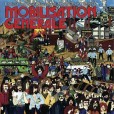
‘In 1969, the Art Ensemble of Chicago arrived at the Théâtre du Vieux Colombier in Paris and a new fuse was lit. Their multi-instrumentalism made use of a varied multiplicity of ‘little instruments’ (including bicycle bells, wind chimes, steel drums, vibraphone and djembe: they left no stone unturned), which they employed according to their inspirations. The group’s stage appearance shocked as well. They wore boubous (traditional African robes) and war paint to venerate the power of their free, hypnotic music, directly linked to their African roots. They were predestined to meet up with the Saravah record label (founded in 1965 by Pierre Barouh), already at the vanguard of as-yet unnamed world music. Brigitte Fontaine’s album Comme à la Radio, recorded in 1970 after a series of concerts at the Théâtre du Vieux Colombier, substantiated the union of this heiress to the poetic and politically committed chanson francaise (Magny, Ferré, Barbara) together with the Art Ensemble of Chicago’s voodoo jazz and the Arab tradition perpetuated by her companion Areski Belkacem…’
Now on vinyl. Click through for the new LP artwork.
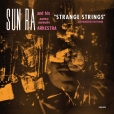
A triumphant edition of one of the most implacable, mysterious, rumbustiously creative albums in the entire Saturn catalogue.
The three tracks comprising the original LP are remastered from tape, doing away with the distortion which has dogged all previous issues. The four additional recordings here are previously unreleased, including two more from the first sessions, and a live performance circa 1967, with Ra leading strange strings on clavinet, and finally a demonstration by Ra of the ‘plaintive’ expressiveness of the Ukrainian bandura.
With excellent notes, including a new essay by David Toop.
‘When I say space music, I’m dealing with the void, because that is of space, too; but I’m dealing with the outer void rather than the inner void, because somehow man is trapped into playing roles into the haven or heaven of the inner void… the word space is a synonym for a multi-dimension of different things other than what people might at present think it means. So I leave the word space open, like space is supposed to be.’
‘If you play it right time, you’re wrong,’ Sun Ra once instructed his Arkestra. ‘I told you, it’s designed for sound.’
From the original Saturn Research publicity flyer for Strange Strings: ‘Too many people are following the past. In this new space age this is dangerous… It is no accident that those who die are said to have passed since those who have PASSED are PAST.’
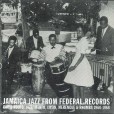
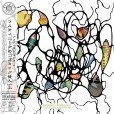
Creole poetry, rootical mysticism and heavy-grooving synths illuminate this survey of the Martiniquan’s first four albums, recorded in France in the late seventies and early nineties, but inspired by the ‘smells and colours… subliminal noises… fruity notes, the memories of funeral wakes, the bombastic organ of the cathedral and the gasps of the drums’ of home.
‘Midonet’s musical world is cosmic, mystical and he has created his own idiosyncratic style around it: not plain folk, not bélé, chouval bwa, beguine or gwoka, but rather a transcendental fusion of all these and a true reflection of his personality.’
Something really special.
Juddering bangers and hypnotic body-rockers, dazed spells and rootical wig-outs spun from early Detroit techno, West African field recordings, soundboy dub and beatbox hip hop; rough as fuck and clatteringly percussive, but shot through with a gritty numinousness. Stokey worries.
Gorgeously sleeved in midnight-black art-paper, intricately printed in silver with the visionary photography of Katrin Koenning, folded by hand and packed into Japanese cellophane envelopes.
Very warmly recommended, unsurprisingly.
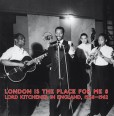
The genius of Lord Kitchener has been the mainstay of our series.
In this volume devoted to his post-war London recordings, Kitch plays his many roles with signature aplomb and poised subtlety.
First there is the hooligan chantwell, up for anything in the hurly-burly of carnival proper; and then the casual reporter, firing off postcards to Trinidad about taxis, flashy booze, fast women and football in Manchester, with homesickness and grievance nestled just behind the optimism, pride and tentative senses of belonging.
There is the bearer of news from home, in detailed accounts of murders, tales of stupid local coppers, and reminiscences about food and particular mango trees; the political thinker, considering racism and Africa; and the diarist, with his vivid tales of infidelity, and disclosure of the break-up of his marriage, and his desire to get away.
One foot in the UK, the other in Trinidad; but the man himself somewhere in-between. Kitch In The Jungle, nobody around. A ‘diasporic explorer’; a key twentieth-century witness, alongside such hallowed figures as Samuel Selvon and Edward Kamau Braithwaite.
Though in frustration Kitch would sometimes take over double-bass duties himself, the musicianship of Rupert Nurse, Fitzroy Coleman and co is top-notch. The original glorious sound is down to Denys Preston, recording for Melodisc, often at Abbey Road Studios (where we transferred and restored the 78s compiled here).
Presented in a lovely gatefold sleeve, with a full-size booklet containing superb, specially-commissioned sleevenotes by Kitch biographer Anthony Joseph, and fabulous, previously-unseen photographs.
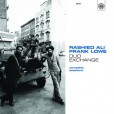
‘Bottling the vehemence bursting forth nightly in the downtown NYC loft scene, these 1973 recordings at Marzette Watts’s studio are furious, brutal, and poignant.
‘Mixed and mastered from the original tapes, this expanded 2020 LP edition restores sections of the original record inexplicably excised from the CD release in the nineties, adding more than double the playing time of the original LP, in fascinating variations.
‘Heavyweight vinyl; quality pressing.’