

Your basket is empty

‘New levels of excellence… a poetic incantation of British identity far brighter than Michael Gove’s proposed GCSE history syllabus *****’ (The Sunday Times). ‘Magnificent ****’ (The Guardian).
Early seventies Philly soul, with Van McCoy, Bobby Martin and Thom Bell at the desk. The title song was their big hit. Nice version of The Temptations’ I Wish It Would Rain.
A Brooklyn-1973 brew of Compas — carnivalesque Haitian party music — and other Carib styles, mixed with funk, soul, psych. Treated guitars, ain’t-no-stoppin’ percussion.
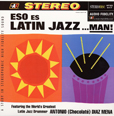
Chocolate Mena leading three lineups — featuring Joe Henderson, Jerome Richardson, Alfredo Armenteros, and co — through Lalo Schifrin and Duke Pearson arrangements of core Latin and Jazz classics.
Cutting his teeth at Impact! with Clive Chin.
The Heptones, Dennis, Swing Easy; an unforgettable lesson in dub, over the killer Ordinary Man rhythm.
‘Leave the studio, sah!’ ‘Leggo dat an hold dis.’ Listen everything.’
Crucial crucial crucial crucial.
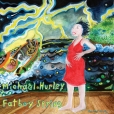
First-time-out for these early-seventies recordings — countrified drafts of some classic Hurley, with backing from Vermont mates the Fatboys, aka the Deranged Cowboys.

Monumental free jazz, still blinding.
With Willem Breuker and Evan Parker also on saxophones, Fred Van Hove on piano, Peter Kowald and Buschi Niebergall on double basses, Han Bennink and Sven-Ake Johansson both playing drums.
The CD is on FMP, with two extra takes.
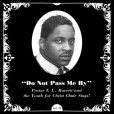
‘This sequel to their landmark 1971 masterpiece Like A Ship finds the young Chicago preacher and his Youth for Christ Choir continuing their genre-bending spiritual journey. Banging drums, soaring falsettos, euphoric tambourines, effulgent horns, and Barrett’s unwavering devotion spark off a forty-piece choir, working up a sanctified slab of gospel funk. Pressed in a minuscule quantity in 1973, Do Not Pass Me By was sold primarily from the pulpit of Barrett’s Mt. Zion Baptist Church, disappearing into Chicago’s south side for forty-five years.’
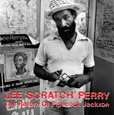
Originally released in 1980: the final work to emerge from the Black Ark studio, before its permanent destruction, crossing the soundworld of Roast Fish Collie Weed And Cornbread into new hybrids.
His comeback, forty years after Histoire De Melody Nelson, with the same signature mix — Axelrod-style orchestral sensibility and stoner funk-rock framing his own louche vocals, and poeticised and punning verses.