Your basket is empty

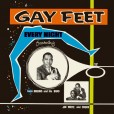
Ska And Jump Up For Your Happy Dancing And Listening.
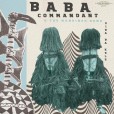
Ebullient Sonia Pottinger showcase out on Doctor Bird in 1966. Oswald ‘Baba’ Brooks and his group backing The Saints, The Techniques and co.
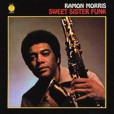
Wicked, stinging sister-funk self-penned by the mighty soul singer, before more celebrated sojourns at Atlantic and Columbia. The flip is previously unreleased; also terrific.
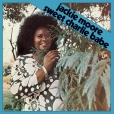
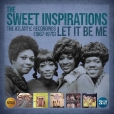
Stylishly reined-in, Southern-flavoured, churchy soul — same neck of the woods as Aretha — half recorded in Memphis by Jackie’s cousin Dave Crawford, including her smash hit Precious, Precious, with the Memphis Horns in full effect (and Dr. John, on Time); and half at Sigma, with Earl Young, Bobby Eli and co.
(Jackie Moore is well-known but under-rated. Try to track down the CD set The Complete Atlantic Recordings for a bunch of killer previously-unreleased sides.)
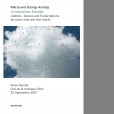
‘What playing!’ raved Alex Ross in the New Yorker. ‘Notes were placed with surgical care; inner voices gleamed in crystalline patterns; elusive emotional states were painted with quick, light strokes.’
A compendium of tiny homages to composers from Scarlatti to Stravinsky, and tributes to colleagues and influences, interspersed with heart-stopping Bach transcriptions. The wit and sublimity of these games, the incisiveness of the playing, four hands on the piano, and the affection between the elderly partners, are really something to see. Off the beaten path for us, but hotly recommended.
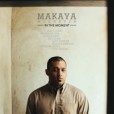
Nineteen, hip-hoppin, be-boppin capsules of funk, conjured and distilled from a year’s worth of weekly shows by the drummer, in a reclaimed bank vault in the heart of Chicago’s Ukrainian Village.
Jazz improvisation — but compact, to-the-point and organic as a mosquiter’s tweeter — dipped in krautrock, d&b, house and B-boy science. Featuring the brilliant vibes playing of Justefan, and local luminaries like Jeff Parker from Tortoise and De’Sean Jones from Underground Resistance.
Warmly recommended.
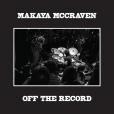
Recent collaborations in London with Nubya Garcia, Joe Armon-Jones, Soweto Kinch, Ashley Henry, Daniel Casimir and Kamaal Williams… remixed live the next weekend by LeFtO, Ben LaMar Gay, Quiet Dawn, Earl Jeffers & Don Leisure of the Darkhouse Family, and later by Emma-Jean Thackray and Lexus Blondin… finally chopped-up and re-assembled back at Makaya’s home studio in Chicago, into two continuous side-long suites.
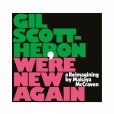
‘A re-imagining.’
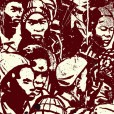
Fourteen new pieces of organic beat music cut from the original sessions in New York, Chicago, London and Los Angeles, featuring Brandee Younger, Tomeka Reid, Dezron Douglas, Joel Ross, Shabaka Hutchings, Junius Paul, Nubya Garcia, Daniel Casimir, Ashley Henry, Josh Johnson, Jeff Parker, Anna Butters, Carlos Niño and Miguel-Atwood Ferguson.
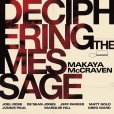
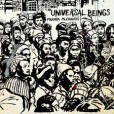
Reshapes of classics by Art Blakey, Horace Silver, Hank Mobley, Dexter Gordon, Kenny Burrell, and Eddie Gale, among others — with contributions from vibraphonist Joel Ross, trumpeter Marquis Hill, alto saxophonist Greg Ward, guitarists Matt Gold and Jeff Parker, bassist Junius Paul, and De’Sean Jones on tenor saxophone and flute.
“When piecing everything together, I wanted to create a narrative that made the listener feel like they were falling into this space or a movement. I was really trying to make a record out of it, not just a series of tracks… The music that we’re making now is part of the same route and is connected, so I want to honor tradition and release something that people can vibe to.”
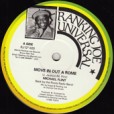
Two great sides: MF in fine sufferers style on a flinty Roots Radics version of No More Will I Roam (though you can’t refine Niney); and a vibesing Rockfort Rock from Ranking Joe, on the flip.
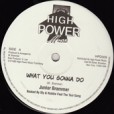
JB is the name the deejay Trinity uses when he sings. Here he is, nailing a sombre, mid-tempo bubbler for Sly and Robbie; alongside General Lee, laid-back and entertaining on Unmetered Taxi. Classic, rootical, early-nineties rubadub.
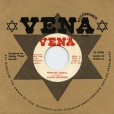
Buoyant anthem to ghetto people boutiques.
You can get anything on Princess Street, ‘from a pin to an anchor… Just have some cash, and you will conquer.’ Not like Orange Street, which is always getting shut down by plod.
Transfixingly stone-faced dub, for all hard-core Channel One massive.
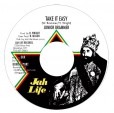
A kind of Dennis Brown / Studio One cut-up. Written by Junior Brammer and Jah Life, according to the label. Talk about taking it easy.
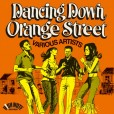
The 1969 High Note LP, on the cusp between rocksteady and reggae. Three of the former, with backing by Lynn Taitt & The Jets; nine of the new thing, featuring Sonia Pottinger’s in-house Soul Rhythms band. A great lineup of singers includes Delano Stewart, Ken Boothe and Delroy Wilson.
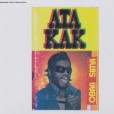
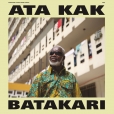
A bonkers, irrepressible amalgam of highlife, Twi rap, funk and disco, put over with the passion of a Prince record and the lo-fi charm of early Chicago house music.
The original cassette — self-released in Ghana and Canada in 1994 — was the inaugural post on the ATFA blog.
‘After the afro-beat fury of Juguya, this second album combines a potent mix of traditional roots and modern Burkinabe funk with a reverent revival of the iconic Mandingue guitar music of the 1970s.’
Searing Sahelian dance music, recorded in Ouagadougou, Burkina Faso, in February 2018.