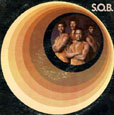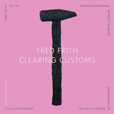




Milford Graves with Arthur Doyle and Hugh Glover, in the weeks leading up to their March 1976 recording of Bäbi.
Graves recorded these sessions himself in his legendary Queens basement laboratory and workshop. Outstandingly, the first two sides feature Graves on drums alongside Glover on klaxon and a Haitian one-note trumpet called a vaccine — “it’s important to keep that tribal possession-state feel… as in the Divine Horsemen of Haiti,” he says in the sleevenotes — and especially riveting, scorching tenor playing by Doyle, even by his own standards.
Mick Goodrick guitar, Pat Metheny guitars, Steve Swallow bass guitar, Bob Moses percussion, Eberhard Weber bass.
Luminessence Series.
Utterly transfixing and thrilling, this is blues to the limit, a kind of avant-garde primitivism.
‘With an approach that was drawn from the Mississippi modal tradition, where you change chords only when the spirit moves you, variety was never the aim. Intensity was.’
For lyrics, too, Hooker is in the moment, with roughly amplified reflections about despair, sex and booze, rent and dancing; the places and faces of Detroit. The singing is frank and emotional but sly. He never lets up stomping on a wooden pallet, quarter notes with one foot, eighth notes the other.
Returning to the tapes, Ace has got this unmissable music sounding better than ever. Nineteen previously-unavailable alternative takes never drag, but deepen its mesmeric spell.
Truly crucial stuff.
Richard Evans and Charles Stepney arrangements across a range of soul idioms; and top-drawer harmonizing, Temptations-style. A rare album — sampled by A Tribe Called Quest!
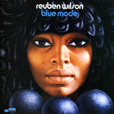
Blue Note soul jazz.
One seventy-minute outernational septet excursion, with notated intervals: guitar and home-made instruments with tablas and guzheng, drum-kit, electronics, trumpet.