





Your basket is empty

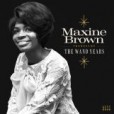
Numerous rarities and unissued gems, together with all her best sides: the essential Maxine Brown.
‘Berceuse Heroique back in the fray with the first of three twelves serenading sound system culture. An invocation of the long-lost spirits of pure, heavyweight, hardcore hedonism.
‘Border Control is a fight anthem against Brexit, fusing the industrial slant of Brummie techno with the jungle techno pressure of the early nineties. The Dillinja-esque bassline of Fortune Teller tolls the death knell for all tin pan speakers. Loose Cables is an uncanny ringer for one of Pinch’s most underrated tunes, The Attack Of The Killer Robot Spiders.
‘Pinch runs the voodoo down one more time. He sounds totally pissed off and more fresh than ever.’

Alone at the piano, feeling his way with the fewest moves right to the heart of a deadly selection of all-time-great jazz songs, plus a few of his own. Veteran of all those classic Horace Silver, Max Roach and Ntu Troop recordings, his baritone voice is mostly reined in here, but rivetingly, acutely soulful.
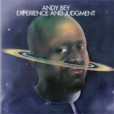
Slower and funkier than the Gary Bartz excursion a few years earlier — with Bad Wilbur Bascomb popping away on electric bass, not Ron Carter — this unmissable 1974 version of Celestial Blues was a game-changing revive in the early nineties, a cosmic crossing of Bill Withers, Sly and Brian Jackson, threading trip hop and Jazz Dance through to Madlib.
‘C’mon meditate! Let’s contemplate!’
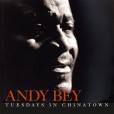
Recorded in 2000, with more or less the same lineup as Shades Of Bey, and the same richness of repertoire and textures. There are two Milton Nascimento classics, standards like I’ll Remember April and Little Girl Blue, and the sultry original Tuesdays In Chinatown. Top-notch Bey, supported by Ron Carter, Geri Allen, Mino Cinelu and Steve Turre. First time on vinyl. Warmly recommended.
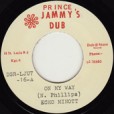
Nice, mid-tempo tune, Eek A Mouse style and fashion.