

Your basket is empty

Extended, with dub.
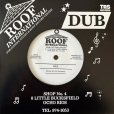
London crew formed in the late seventies by Gus Phillips from Sierra Leone and Dominican Sam Jones. Nurtured by Grove Music; same family tree as Aswad. Just around the corner from Honest Jon’s in Ladbroke Grove, guitarist Peter Harris went on to set up the Kickin label (which put out Shut Up And Dance, Aaron Carl and Blaze).
Superb, sombre, tautly grooving sufferers, produced by George Woodhouse.
Same singer as Reward, on Channel One. Twin, dread killers.

Tight, heartfelt, urgent sufferers. Niney when the two sevens clashed.
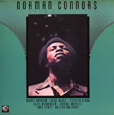
With Stanley Clarke, Cecil McBee, Eddie Henderson, Carlos Garnett, Gary Bartz and Buster Williams.
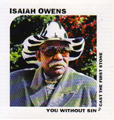
Thrilling primitive gospel from Alabama. Fuzzy, loud, dissonant guitar somewhere between Pops Staples, John Lee Hooker and the outsider R ‘n B of Hasil Adkins. True testifyin’ magic, and highly recommended.
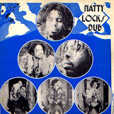
Rugged 1974 dub LP replete with Upsetters and Tubby vibes, including the killer Macca Bee, and a nice vocal-with-deejay Love Me With All Your Heart, and featuring fine fleet flute froughout.
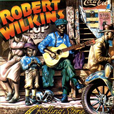
1928-35 recordings by the Memphis bluesman (with Cherokee Indian close by in his family tree) — including That’s No Way To Get Along, later covered by the Rolling Stones as Prodigal Son.
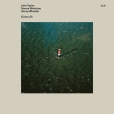
Luminessence series.
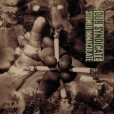
‘Probably the best known Dub Syndicate album, this 1991 set was recorded between Jamaica and London, with the rock solid rhythms of band leader Style Scott augmented by a number of additional players, including guitar from Skip McDonald, vocals by Lee Perry and Akabu, samples of the late, great Prince Far I, and keyboards from Keith Levene.’
We ship worldwide. The postage rates for your order are displayed before payment, which is processed using Paypal. You can pay using your Paypal account or any of the following cards. No need to join Paypal.