
Your basket is empty

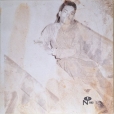
‘Operating in the farthest margins of L.A.’s cutthroat music business from 1961-1991, Mel Alexander’s Consolidated Productions was among the longest running Black-owned independent record conglomerates of the 20th century. Disentangling a web of imprints — including Ajax, Angel Town, Car-A-Mel, Emanuel, and Kris — this first volume gathers 28 smouldering R&B cuts by the likes of Lee Harvey, B .B. Carter, Marilyn Calloway, the Del Reys, the Deb Tones, the De Velles, Gene Russell ’s Trio, Jimmy ‘Preacher’ Ellis, and Ty Karim.’
Presented with customary class and attentiveness by Numero.

Featuring Grant Green, and engineered by Rudy van Gelder, in the manner of classic Blue Note organ jazz, this is an ‘underappreciated gem’, according to AllMusic. Leo Wright plays a blinder.
Here is a lovely photo of drummer Pola Roberts performing in the fifties. Nice name, the Pixie Bongo 4 Jewel’s.
Pola and Gloria had an all-women band together in the early sixties. George Coleman is Gloria’s old man.
‘Verve by Request’.
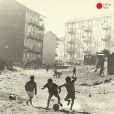
Hotly recommended by our friends Rush Hour in Amsterdam: ‘Starting off with the positively upbeat Umgababa by Kippie Moketsi and the infectious soul jazz of Pat Matshikiza’ s Dreams Are Wonderful (also featuring Kippie Moketsi) proceedings mellow out on side B, only to get extra heavy on the C-side with the sample-ready fusion groover Night Express off their crazy rare 1976 album of the same name and the irresistibly funky Blues for Yusef by Lionel Pillay, two of the many highlights on this action-packed thriller.’
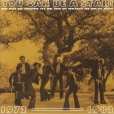
‘From 1972, the third and last album by this group formed in Johannesburg’s Alexandra township in 1968, announcing a shift away from early Memphis soul influences towards a pioneering African-driven jazz sound, and laying the foundations for the afro-fusion scene spearheaded by groups like Batsumi, The Drive, and Harari.
‘Black Soul features a who’s who of musicians from great South African bands over the decades: Zacks Nkosi, the renowned bandleader of the Jazz Maniacs and long-time member of the African Swingsters in the 1940s and 50s; kwela star Little Kid Lex Hendricks, known for his Columbia recordings of the late 1950s; Zack’s son Jabu Nkosi, who would go on to play with The Drive, Roots and Sakhile; and Banza Kgasoane later a member of The Beaters, Harari, and then Mango Groove.’
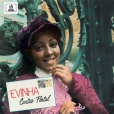
Her classic third LP, from 1971, originally released by Odeon Brazil.
‘Gems like Que Bandeira, composed by Marcos Valle, blending funk/soul and bossa/MPB; Esperar Prá Ver, co-written by her brother Renato Corrêa, with its stunning arrangement and an epic bassline that is hard to get out of your head; the archetypal samba soul of Só Quero; and vocal-driven groovy jams like Por Mera Coincidência and Rico Sem Dinheiro, spiced with celestial strings and heavy-duty drums and basslines.’
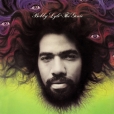
Legendary, stone-classic jazz-funk from 1977; produced by Wayne Henderson for At Home.
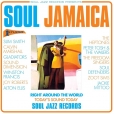
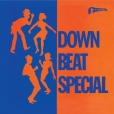
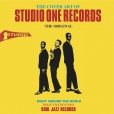
A terrific haul of Studio One essays in soul and funk, from the close of the sixties, and early seventies; stuffed with gems and rarities.
The Gladiators, Zoot Simms, Cedric Brooks, Sound Dimension… a killer lineup in sparkling renditions of Sly and The Family Stone, Diana Ross and The Supremes, Nina Simone, Gene Chandler, Tyrone Davis and co.