
Your basket is empty

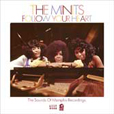
Superb female vocal soul trio from Alabama, recorded by Sounds Of Memphis — southern flavoured ballads, dancers, pop, sister funk.
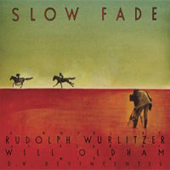
The 1984 Hollywood novel, captivatingly read by Will Oldham. (Wurlitzer wrote the Two-Lane Blacktop screenplay for Monte Hellman, and Pat Garrett And Billy The Kid for Peckinpah, amongst other illustrious works.)

Capitol and Motown sides.
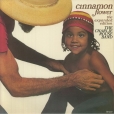
An expanded edition of the saxophonist’s triumphant Brazilian excursion, originally released by Douglas Records in 1977, adding half an hour of previously unissued versions, plus Meeting House, out for the first time in any form.
Transferred from the original tapes; newly remastered; decent booklet. Sound-wise, Ron Carter in particular benefits from the restoration work.
An extensive lineup also includes legends like Portinho, Dom Salvador, Bernard Purdie, Claudio Roditi…
Sod’s law that the killer cut Clove & Cinnamon sounds freer, more carnivalesque, in the original version, with Alan Douglas’ bells, rattles and whistles intact.

Crafted, varied EP from Kenneth Lay and Jason Carr, out of the Metasplice milieu in Philly. A couple of ant nests, a droner with an mbalax tic, and a monster-crunchy, sun-up soundscape. Boot cyan lean.
Three killers heralding the latest phase of this dazzling expression of a dream Dakar-Berlin nexus. All instrumental — though the opener has snatches of singing — with the vocal versions held back for the album.
The music just gets deadlier and deadlier — harder-boiled and deeper; more focussed, confident and dubwise.
Evoking the ancient cultural legacy of the griots, ‘Walo Walo’ is also the name of the sabar rhythm underlying the opener, which features Ibou Mbaye’s percussive synth-work, Mangone Ndiaye Dieng’s kit-drumming, and Bada Seck’s rigorous jolts of lower-pitched Thiol drum. The ‘Groove’ version is tough as nails; well and truly gnarly.
A tribute to the Baye Fall leader, Ndiguel Groove is a sparse, mellow interpretation of the most traditional cut on the album, showcasing Assane Ndoye Cisse’s insinuating guitar lines, Laye Lo’s super-elasticated snare-drumming, and Bada Seck playing the khine drums associated with the Baye Fall. (Short and wide; lightweight but low-pitched.)
Pretty awesome.
None other than Blawan on his lonesome ownsome — after collaborations with Pariah as Karenn, and Surgeon as Trade — returning to the blood-drenched scene of his heinous Why They Hide Their Bodies.
New name, new sound; heavier and slower than his Ternesc output. The title track is the banger. Acid techno — deliberate, widescreen and ominous.
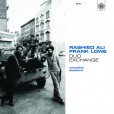
‘Bottling the vehemence bursting forth nightly in the downtown NYC loft scene, these 1973 recordings at Marzette Watts’s studio are furious, brutal, and poignant.
‘Mixed and mastered from the original tapes, this expanded 2020 LP edition restores sections of the original record inexplicably excised from the CD release in the nineties, adding more than double the playing time of the original LP, in fascinating variations.
‘Heavyweight vinyl; quality pressing.’
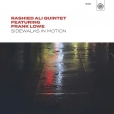
‘Rashied Ali stood as a magnetic force for the musical environment around him. In his last decades he sponsored rehearsal opportunities for young musicians, tightened up neighborhood street-corner drum circles he happened to pass, and for years would pull promising young talents into his orbit. One unique group that Ali led at the 2002 Vision Festival in NYC, along with Frank Lowe, he also took into the studio. Sidewalks in Motion features Ali and Lowe along with young musicians Jumaane Smith (trumpet), Andrew Bemkey on piano, and bassist Joris Teepe. In the years after Lowe’s death Ali selected the best takes, and mixed and mastered them for release, but the material remained on the shelf… till now.’
Presented in an old-school tip-on jacket featuring photos and Joris Teepe’s recollections.
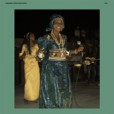
Lovely, hypnotic, rocking peulh music from Dilly commune, Mali, near the border with Mauritania (and the same family grouping as the celebrated singer Inna Baba Coulibaly). Duelling ngonis, calabash, flute, dashes of electric guitar; newly recorded.