Your basket is empty

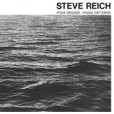
‘If it is the radical edge of uncompromising hardcore minimalism that you are after, this reissue of Four Organs and Phase Patterns delivers two key examples.
‘‘I am interested in perceptible processes’ Reich had written in 1968. ‘I want to be able to hear the processes happening throughout the sounding music.’ Four Organs is a radical realisation of this goal. Against the steady rattle of maracas, individual tones within a single chord are gradually lengthened. No changes of pitch or timbre occur, and the drawn out nature of the process provoked outrage at some early performances, when audiences found themselves caught up in a decelerating loop, being dragged towards stasis. Phase Patterns, composed a month later, relies on a phasing technique developed during Reich’s earlier experiments with magnetic tape recordings, which he allowed to drift out of sync. Identical figures initially in unison shift out of phase, generating unexpected patterns.’
‘Obviously music should put all within listening range into a state of ecstasy’ (Steve Reich).
Vinyl from Aguirre.

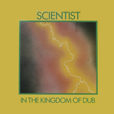
His first LP, from 1980. Al Campbell productions recorded with Sly & Robbie at Channel One; mixed by the hubristic teenager at King Tubby’s. Great stuff… but a non-scientific title.