Your basket is empty

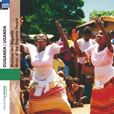
The Sulayiti Kalungi Ensemble Of Kampala presenting dances, religious invocations and profane songs, to a barrage of percussion and fervent choral singing.

Shashmaqom trio improvisation from Uzbekistan, artful and serious: heartfelt singing and fine tanbur lute playing, set off by the accompaniment of dutor and rabob lutes, and doyra percussion.
Deeply moving singing from Ferghana in Central Asia — classical, slow, suspenseful and meditative in a world of pain — accompanied by lutes, chang (a psaltery), nay flute, dayera tambourine, and ghijak spike fiddle.
From the Central Coast, afro music for rites and festivals, sharing with salsa drums like the cumaco (using the heel of the hand to vary pitch) and redondo, besides cow horns, car wheels, plates, sea shells.
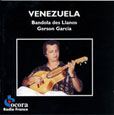
The joropo, pasaje and tonada (with roots in sixteenth-century Spain) played on the bandola, a pear-shaped, four-stringed guitar, made from cedar — with maracas and cuatro accompaniment.
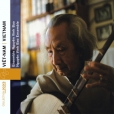
Refined, improvisatory, endangered traditional music for a quartet of two-stringed spike-fiddle, zither, two lutes.
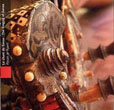
Classical themes of courtly love, nostalgia, absence, from sublime fourteenth-century texts, done the old-fashioned way, with fine qanbus (Yemenite, not Oriental lute), and copper plate percussion.
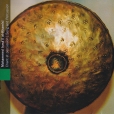
The out-of-this world, near-extinct tones and effects of copper plate, balanced on either thumb, with left-hand fingers playing ornamentally, the melody with the right, as accompaniment to singing in the Sanaan style, setting courtly poetry in classical Arabic.
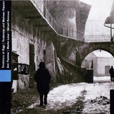
Warm, nostalgic, stirring settings for voice, guitar, accordion and violin. Knowing nothing, we can hear Jacques Brel and Jake Thackray.
Judith Juma’s wonderful mbira playing — shona ritual music, with singing, drum and rattle.
Three singers a cappella, or with rattle and djembe, emulate the beautiful sound of the insingizi rain bird. Traditional, gospel, warrior-chant and political songs.