Your basket is empty

Originally released by Epic in 1953.
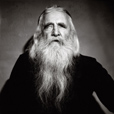
From the 1950s, when Moondog was homeless and busking in NYC. ‘His later records may be better known, but this is the real shit’ (Byron Coley, The Wire).
Startlingly remastered at Abbey Road.
Originally relelased on the Moondog label in 1955.

Meditative, absorbing dance music in true Moritz style — at times seemingly transfixed by its own elements, and minimal almost to vanishing-point, but quickly back ticking, kicking and amassing.

At its darkest and most driving. The group is clear and unanimous — this is their best yet.
At its most open, shifting and expressive to date. For all the music’s complexity and deep coherence, freedom is the key. At times it grooves hard; at others it’s lush, romantic.
With Tikiman and Marc Muellbauer.
A handful of LPs signed by Moritz!
Tony Allen, Max Loderbauer and Moritz von Oswald; mixed by Ricardo Villalobos.

Moritz from Basic Channel and Rhythm And Sound, alongside Vladislav Delay (Chain Reaction) and Max Loderbauer (Sahko): a dream crossing of classic Berlin techno, On-The-Corner Miles, Larry Heard, and Can.
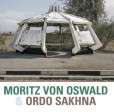
A kind of intimate scrapbook of the startling collaboration between the techno maestro and this long-standing musical collective based in Bishkek, devoted to the roots music of Kyrgyzstan. Loose-leaved but balanced, lucid and intimate, it sets out from stunning a cappella and virtuosic komuz and kylak, mouth harp and traditional percussion: not field, but expert studio recordings, using marvellous vintage microphones, made over several days in Berlin. Further, a few of these are deftly treated by Moritz, using Reichian de-synced double-tracking, and discreet effects. Also two ten-minute dubs: a deadly, signature Berlin steppers, plus its version; and an echoing, mystical drum session, recorded live on stage in Bishkek. And a side-long, dream-like summation: the locomotive, oceanic, clangorous, dread Facets.
Ravishing, rooted, searching music; beautifully presented.
Two sick techno killers, stalking the perimeters of noise; and generous excerpts from a soundtrack to Dreyer’s Vampyr, with Sun Ra in its marrow, alternately driving and motorik, off-the-wall, lost in space.

Beautiful, insurgent, fabulously danceable jazz music from South Africa, flowing out of the penny-whistle kwela bands of the 1950s. (Kwela means ‘get moving’, in Xhosa.)
Bra Gwigwi played alto and clarinet alongside Hugh Masekela and Kippie Moeketsi in The Jazz Dazzlers; also in The Jazz Maniacs and The Harlem Swingsters. He came to the UK from Johannesburg as an actor and clarinettist in King Kong — a musical about a Zulu boxer — which opened in London in February 1961.
Recording in January 1967, at Dennis Duerden’s Transcription Centre, he is joined here by Dudu Pukwana, Chris McGregor, Laurie Allan, and Ronnie Beer, all from The Blue Notes. Ladbroke Grove legend, and mainstay of our London Is The Place For Me series, Coleridge Goode plays double bass.
No less than sixteen shots of jubilant, jump-up mbaqanga. Check the Ethiopian vibe of Mra (which became core repertoire of The Brotherhood of Breath). Listen to Nyusamkhaya, and try to get it out of your head. Impossible.
Lovely notes by Steve Beresford, too.
‘The South African folk music that makes people glad to be alive!’
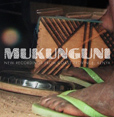
Stefan Schneider and Sven Kacirek’s scintillating recordings of the Mijikenda tribes, made in different spots in and around Mukunguni village, coastal Kenya: spiritual and healing music, and love-songs.
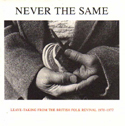
‘***** beautiful, deeply affecting… hard to beat as the year’s most worthwhile reissue’, The Guardian; ‘magnificent… wonderfully austere’, Time Out.

Top-quality AS long-sleeve tees, expertly printed. The colours zing.
‘Heavy weight, 240 GSM, 16-singles, 100% carded cotton. Dropped shoulders, side neck ribbing with twin stitching, cuffed sleeves, side seamed, shoulder to shoulder tape, double needle hems, garment dyed, preshrunk to minimise shrinkage.’
Relaxed fit; very generous sizing. Click through the image for a size guide.

‘The AS Colour Heavy Faded Tee, crafted from 100% carded cotton for durability and comfort. With a heavy 240 GSM weight and garment dyed finish, it features a boxy relaxed fit, dropped shoulders, and twin-stitched wide neck ribbing.’
Click through the image for a size guide.
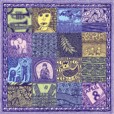
This is lovely.
Brand new, rambunctious, rootsy, spiritual brass-band music from Lagos, with singing, drums and home-made percussion.
Obadikah is a group of old friends who play together in the Cherubim & Seraphim and Baptist churches of the Ikeja and Isale Eko districts. A couple of them were founder-members of the Eko Brass Band; they’ve played with pretty much all the key Nigerian reggae artists.
The tunes are mostly traditional Yoruban melodies, often sung at bed-time. The songs are mostly original, sung in Yoruba (though Jomido is an Egun song from the Badagry area of Lagos state).
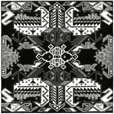
Forgotten masterpieces, out-of-this-world improvisations from the 1920s; and dazzling commissions by Sir Richard Bishop, Six Organs Of Admittance and co. ‘Dextrous, frenzied, fearless… awesome’ (Plan B).
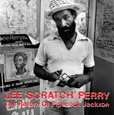
Originally released in 1980: the final work to emerge from the Black Ark studio, before its permanent destruction, crossing the soundworld of Roast Fish Collie Weed And Cornbread into new hybrids.

The two dubstep pioneers at the top of their game. Truly an album, the music is multi-levelled — dark as anything at times, but engrossingly varied and emotionally shaded, always on the move.
Extra to the LP, with a magnificent, epic, head-scrambling remix, more spaced and spooked than the original. Shackleton’s dream liturgy fully unfolds — an eerie, garbled sublimity, a kind of black-magic plainsong.

Rang'ala
New Recordings From Siaya County, Kenya: Ogoya Nengo And The Dodo Women's Group
Honest Jon's Records
Open-hearted, fresh, lovely, bumptious recordings of women’s singing, from Rang’ala village in southwest Kenya. ‘Dodo’ is a type of traditional Luo music mostly used for entertainment at weddings, drinking parties and wrestling festivals. Songs in praise of the happy couple, the hardest drinkers and the best wrestlers.
Try the magical fourth song, Arum — about barking like a hornbill.

Lethal footwork from three originators. The A is dancefloor murder, honed and nasty, vintage Chicago and Detroit gone clear across the SA border; the flip is a fierce, futuristic juke vocal collage, hard as nails.
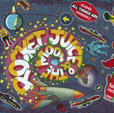
‘Inventive, fresh and melodic’ 4/5 (The Guardian); ‘bound to be underrated… impeccably edited and segued’ (The Onion); ‘may be the most forward-looking music you hear all year’ (Rolling Stone).
Three deep funk instrumentals — HBE on the opener. Sound-wise, doubly lethal, as alive as vinyl gets. Silvered, silk-screened sleeve.