
Your basket is empty

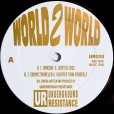
Stone classic Detroit techno. Cosmic, fierce and free. Still thrilling.
Utterly essential.
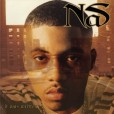
Illmatic cultists mithered about this 1996 follow-up, but it’s aged magnificently, and they were wrong.
‘Amidst production from heavy hitters like Dr. Dre, Havoc of Mobb Deep and DJ Premier, Nas weaves evocative narratives of gang warfare, downtrodden neighborhoods, drug deals gone awry, and gangsta triumph, against a backdrop of samples from Sam Cooke, Etta James, the Isley Brothers, and even Chuck Mangione. With guest turns from Lauryn Hill, AZ, Foxy Brown, and Mobb Deep; classics like Street Dreams and If I Ruled The World.’
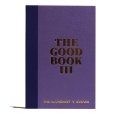
Fifty-six fearless forays deep into the consecrated crates.
ALC does what he does best, with Roc Marciano rocking the pulpit; Budgie wheels back to the UK scene, dazzlingly rallying Knucks, Novelist, JayaHadADream, Joe James, Ragz Originale, Natanya, Qendresa, and full crew.
The CDs are resplendently dressed like a Bible, with foil debossing, the full monty. Lovely stuff.
Classic deep Detroit house; featuring Marc Kinchen’s extended club mix.
Plus Carl Craig’s reconstruction of Help Myself.
We ship worldwide. The postage rates for your order are displayed before payment, which is processed using Paypal. You can pay using your Paypal account or any of the following cards. No need to join Paypal.