
Your basket is empty

Honest Jon's has enrolled with the European Union 'Import One-Stop Shop'. For EU customers, this means that you will not be charged any additional VAT or duty, nor any handling fees. No further costs.
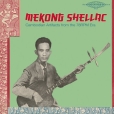
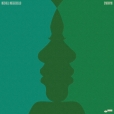
Miraculously restored from the few remaining original copies, Khmer music from the 1930s to the 1950s, including Chapey, Romvong, Lakon Basak, Pleng Khmer, Ayai, and Ayai Reung, as well as classical, court-derived traditions such as Pinpeat and Mahori, and popular styles including Lamleav and Pleng Ka. With a sixteen-page booklet of detailed notes and vintage photographs.
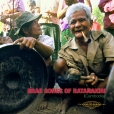
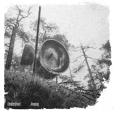
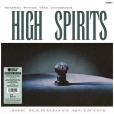
Raw, unfiltered ceremonial gong ensemble music recorded in northeastern Cambodia, bordering Laos and Vietnam. Music to accompany animist rituals, and drinking the fermented rice alcohol called Tavei. Nipple and flat gongs, bamboo tubes, male and female vocals, drums. Very limited.
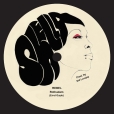
Scorcher!
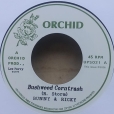
Rothadam aka Errol Gayle tried out for Bunny Lee before following his brothers from Trenchtown to Toronto in the early-1970s. Here, his fellow-welder Sid Lovejoy also ran a record shop, label and studio, at 917 Bathurst Street; and in 1975 the first iteration of Rebel was unleashed on Sid’s LMP imprint (cut a little slower than this reissue), featuring none other than Leroy Sibbles on bin-wobbling bass; and massive, rearing, swinging horns (and melodica). The brass brings to mind the Otravis crew on Skyjack Version, also with Sibbles, for Half Moon; the hi-hats tick with the same serious-mindedness as at the start of Joe Higgs’ Creation; Rothadam channels Horace Andy to full effect.
Then Gayle reprised the song at Half Moon itself, with the Super Eight Corporation. Producer Oswald Creary passed the second recording — side two here — onto Ron Lewis, to put out on Ron-Lew. It’s more Upsetters in style, with a lighter touch; more limber, smoke-filled and cosmic, with a vibesing spoken intro and tasty percussion.
Both sides are raw, intense, inspiring roots.
Neither came with a dub… so dream on, rudie.
Hotly recommended.
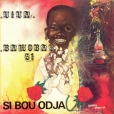
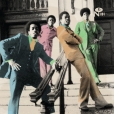
Their classic blend of Afro-Cuban rhythms, Wolof griot traditions, mbalax, Congolese rumba and jazz; led by saxophonist Issa Sissokho and guitarist Barthélémy Attiso. Future icon of Senegalese salsa, the young singer Médoune Diallo tears up the irresistible, driving Autorail, about the new railway line linking Dakar and Niamey.
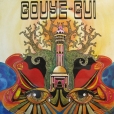
A masterwork of Senegalese montuno, better known as Mouhamadou Bamba, from 1981, the same year as Si Bou Odja.

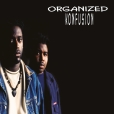
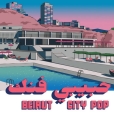
The frankly sexual, lithely grooving deep-house classic from 1990.
We ship worldwide. The postage rates for your order are displayed before payment, which is processed using Paypal. You can pay using your Paypal account or any of the following cards. No need to join Paypal.