
Honest Jons logo

This is fire. Ring the alarm.
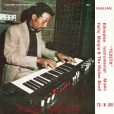
The opener is MM’s first recording, aged seventeen; a 45 on Amha Records. The remainder revives his 1976 LP for Kaifa, produced by Ali Abdella Kaifa aka Ali Tango, and featuring such mainstays of the scene as trumpeter Shimèlis Bèyènè, Dawit Yifru on keys, and the great Tilayé Gèbrè on saxophone and flute. In the teeth of the burgeoning Red Terror of the Derg junta, this LP was the swansong of Swinging Addis, and arguably its absolute masterpiece.
Intense, roiling Ethiopian afrobeat. Utterly killer; hotly recommended.

Recorded one long hot night in July 1978.
Sun Ra at the Rhodes, Disco Kid on guitar… Deadly funk, heady and grooving. A stone classic.
The new box set features the original LP alongside alternative mixes by Bob Blank first released in limited quantities for a 1978 Arkestra gig at Georgia Tech. Both versions of the album are cut loud at 45 rpm over 2LPs each.
Housed in a silver foil box, as per the original issues the first LP comes in a foiled sleeve while the second features two yellow A4 sheets pasted onto a white sleeve. With a twelve-page booklet featuring previously unseen photos and various texts.
The CD version is housed in a foil digipak.
The single LP is a straightforward reissue of the original LP.

The title track was ‘one of Sun Ra’s on-the-spot compositions,’ recalls Danny Ray Thompson. ‘Almost like an Ancient Egyptian Stargazing Ceremony, mapping out the stars and the planets.’ Where Pathways Meet is his ‘funky version of an Egyptian march. Pharaoh is sending his troops off to fight and this is his pep-talk! The music seems to take different pathways but still converges.’ The loping groove of That’s How I Feel features the reflective trumpet lines of Eddie Gale, with solos by John Gilmore, and Marshall Allen on ‘snake charming oboe’. The funky Twin Stars Of Thence weaves around Richard Williams celebrated elastic bassline; the haunting closer There Are Other Worlds is pure ‘space music’.

Classic, jazzy, funky zouk, from Guadeloupe.

‘Masterful arrangements, inventive rhythms, rich harmonies, and a perfect balance of flute and saxophone interplay. Funk, Jazz, Gospel, Afro, and traditional elements all merge seamlessly into something unique and timeless.’
“South African spiritual funk gem. slick guitar, banks of horns” - Chris Albertyn (Matsuli).
“Dynamic South African funk. An album that will make you want to dance from start to finish” - Franck Descollonges (Heavenly Sweetness).

The dub is a militant, clattering, tearaway, raw monster-slayer, with Johnny Clarke at the controls, for his own label. Total murder.

The Tenderness Trio was sisters Jussara and Jurema Silva, and their brother Robson.
From 1973, A Gira is dedicated to nature, spirituality and mindfulness, by way of a tribute to a Candomblé deity, with mesmerizing polyrhythms from the start, soaring vocals and beautiful playing. As the sisters put it — “It has the dancing, the expression, the lyrics and musical relaxation. Something very Brazilian.”
B/w a surprise version of Gato Barbieri’s Last Tango In Paris.
Ace.

This compilation of the best of Gil Scott-Heron’s Flying Dutchman output was originally released in 1974, pulling together tracks from his first three albums: Small Talk At 125th And Lennox (1970), Pieces Of A Man (1971), and Free Will (1972).
This very welcome LP reissue is a top-notch pressing, resplendent in the original gatefold sleeve.

A heavyweight, Upsetters-flavoured, rockers re-lick of the Duke Reid classic; with the Soul Syndicate tripping out on Java, on the flip.

‘Battle of Cannae is a dubby roller filled with crisp percussion and meditative warmth. Next up, Battle of Carrhae is a deep 120bpm bass groover with detailed percussion and rich textures that tie the first side together beautifully. On the flip, Stolen Land, a collaboration with Melbourne heavyweight Pugilist, takes things into club territory. Spacious, weighty and rhythmically twisted, filled with polyrhythmic grooves, a few wubs, and gritty percussive drive. Strap in. To close, Battle of Edessa pushes the tempo to 160bpm — a sharp, hypnotic finisher that shows why Big Hands continues to stand out as one of the most exciting producers doing it right now.’

Leroy Brown’s killer detournement of Bobby Bland’s classic Ain’t No Love In The Heart Of The City, plus Clint Eastwood’s storming deejay excursion.
It’s a shame there’s no room for the stunning dub on the original Stagesound release of the Clint, but you can’t have everything.
It’s a must.

‘Pure pleasure is what it is,’ writes Byron Coley. ‘This was probably the first time Hurley brought his band out of the hills. Guitar, bass, drums, piano and trumpet, all of them beautifully in sync and swinging like the rural hippie boogie band they were — tested by long nights in halls filled with rowdy snowmobilers and the women who love them. Hurley & the Redbirds were more than ready to bowl over the city slickers who filled Folk City this hot mid-summer evening. Snock’s voice is limber and strong, flipping easily into falsetto and yodels, and the music is faultless. Something like the Platonic ideal of what ‘bar rock’ can be. They only do one tune from Have Moicy!, but nobody could have minded. The music rolls out like the sweetest-ever guzzle of maple syrup laced with Mello Corn Whiskey. So loaded, so powerful, you’re likely to shit the bed if you listen lying down.’
Recorded in NYC in 1976.

1234