
Your basket is empty

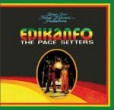
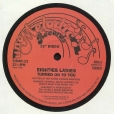
‘Turbocharged highlife from 1980s Ghana… It opens in fine style with Nka Bom, horns sharply descending over a disco bassline, with a triumphant electric piano solo and a lengthy percussion interlude. Other highlights include the growling Gbenta, with a bluesy bassline and machine-gun drumming, and the trumpet voluntary and dubby choral singing on Moonlight Africa’ (Financial Times).
Produced by Eno, who discarded his own contributions as ‘clumsy and unnecessary compared to Edikanfo’s witty, light funkiness… What they’d given me was finished — there was nothing else I could add.’
Rupie Edward’s wise and witty account of the 1973 Foreman-Frazier fight in Jamaica, over his own deadly Down Below rhythm, with tasty dashings of Errol Dunkley, and the influence of Lee Perry in full effect. Pure vibes.
Featured in its instrumental glory on the flip, the rhythm appealed so much to Coxsone Dodd that he bootlegged it.
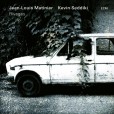
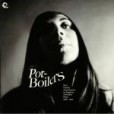
Duets by Anouar Brahem’s accordionist and the classically-trained guitarist Seddiki, ranging from Greensleeves through Faure to their own improvisations and compositions.
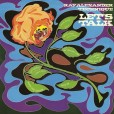
Legendary Harlem soul and funk from 1973 — the RAT was the house-band at the Apollo — with bags of lo-fi charm and sublimated Isaac Hayes to its ‘unabashedly sincere songs that perfectly encapsulate the era’s heady milieu of black pride and cultural awareness, and the plaintive emotion of struggling to realise dreams whilst navigating a city and neighbourhood in decline.’
Painstakingly prepared according to the remit of this series; with excellent notes.
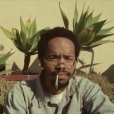
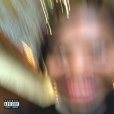
‘Earl is on another level. The way he deploys his skill, humor, and encyclopedic knowledge of hip-hop has made him one of the most effortlessly deep and cool rappers alive’ (Pitchfork).
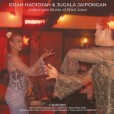
‘Mind-melting West Javanese gong pop, recorded in 2007 at Jugala studios in Bandung, based on a Javanese secular village music and dance tradition known as ketuk-tila, which was transformed into a popular studio music in the early 1960s by the producer Gugum Gumbira, founder of Jugala. With vocals by Idjah Hadidjah, one of the key historic voices of jaipongan, the situation here is disorientatingly heavy, low bpm gong pressure coming straight from the originators. It is a much less dainty affair than classical Javanese gamelan, and less febrile than the fully automatic Balinese variant. Hadidjah’s golden voice sews together shifting polyrhythms that would baffle a watchmaker; the whole is embroidered by rehab and underpinned by Mariana Trench level bass drops. A second disc features a set of thoughtful electronic reworkings’ (Frances Gooding, The Wire).
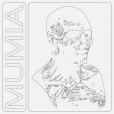
This is terrific.
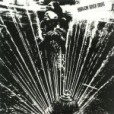
Brazilian post-punk, art rock and DIY from 1988, released here for the first time, by the duo Celso Alves and Kodiak Bachine (whose records with the band Agentss are desperately sought-after nowadays).
Dubwise and rhythmic, percussive and synthy, with tangy Brazilian roots, and a droll humour to its reflections on embalming, LSD and zombies, the music freewheels roughly and vividly from the truffling, chattering, tropical atmospherics of the opener, through to the machine-funk, Romeroesque terrors of the Greenhouse Massacres, to close.
Sung in Portuguese and English, studded with Spanish, French and German, the lyrics are reproduced on an insert. Pressed at Pallas.
Ace. Check it out.