
Your basket is empty

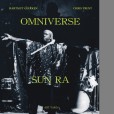
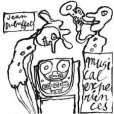
Over three hundred pages: numerous previously-unpublished photographs of Sun Ra and the Arkestra by Hartmut Geerken and Val Wilmer; a fully revised discography by Chris Trent, co-author of The Earthly Recordings Of Sun Ra; articles by Amiri Baraka, Chris Cutler, Robert L. Campbell, Salah Ragab and others; and newly gathered, full-colour images of hundreds of Sun Ra album covers, posters, handbills and ephemera, including reproductions of rare, hand-drawn, hand-coloured LP sleeves.
French fold cover, metallic foil blocking on cloth, hardback; 290mm x 245mm.
Fab. Pricey, but it’s a must, let’s face it (and Amazon has the previous, inferior edition for a grand).
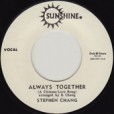
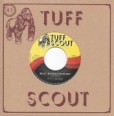
Stupendous rendition of a Chinese folk song over red-hot rocksteady, produced by Ronnie Narsalla in 1967. Aimed at the Chinese community in Kingston; super-rare ever since.
Pure worries. The guaranteed musical detonation of any kind of dance or party.
Cheng, evidently, not Chang. Essential reading, here.
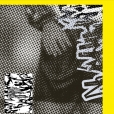
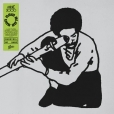
Luigi Pirandello provides the conceit for the tenth Baroque Sunburst: his thinking about masks, duplicity, and ensnarement; the idea that ‘self’ and ‘identity’ are unattainable plenitudes; that we are all trapped behind masks and other concealments.
Hence each of the four tracks is designed for playback at either 33 or 45 rpm. Maschera itself is a half-time stomper with the slithering grace of a snake, intricate IDM refrains, and riddling drum patterns. Trappola is melodic hide-and-seek, with a stately, captivating tribal rhythm which slowly gathers intensity. The snake returns in Specchio, biting its own tail in an endless birth-death infinity mirror… before KRSLD brings the curtain down with a dubwise, dancehall rework of the opener, teasing the snake into the open. Or does it?
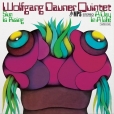
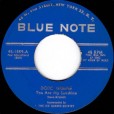
Hippie dippy Indo-Jazz, aka Take Off Your Clothes To Feel The Setting Sun, complete with fuzz guitar and sitar courtesy of Siegfried ‘Vampyros Lesbos’ Schwab, and reverbed chant-along vocal chorus. Plus a reined-in, blues-rock cover of The Beatles’ A Day In The Life.
From 1969, with Eberhard Weber playing bass and electric cello.
New transfers from the master tapes; cut at Abbey Road; pressed at Pallas; handsomely sleeved.