







Your basket is empty

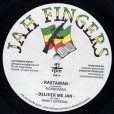
Fierily imperious roots from 1998, for Opera House. With Mikey General and a dub; and a show-stealing toast from label-boss Buccaneer.

Winston’s daughter, on a vintage Channel One rhythm; produced last year by Franklin ‘Steamers A Bubble’ Irving. Straight to the head of all nationalists and xenophobes.
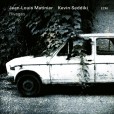
Duets by Anouar Brahem’s accordionist and the classically-trained guitarist Seddiki, ranging from Greensleeves through Faure to their own improvisations and compositions.

Brilliant, game-changing re-deployments of the lap-slide Hawaiian steel guitar — in this case a Gibson Super 400, modified with a drone string and a high nut to raise the strings off the fretboard like a lap steel — away from Indian popular music, into the service of ragas.
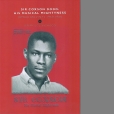
‘Over 200 full-colour pages documenting Dodd’s vinyl output during the first six years of Jamaica’s new urban music — from Boogie Shuffle to Ska. Presented imprint by imprint and illustrated with over 900 label scans. With sections on Dodd’s Sound Systems and businesses as well as the musicians he used and the live scene in Jamaica.’
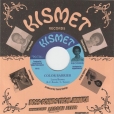
Leroy Brown’s killer detournement of Bobby Bland’s classic Ain’t No Love In The Heart Of The City, plus Clint Eastwood’s storming deejay excursion.
It’s a shame there’s no room for the stunning dub on the original Stagesound release of the Clint, but you can’t have everything.
It’s a must.
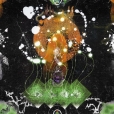
‘Bubbling tones, processed field recordings, and shifting electronic layers evoke the rhythms of atoms, molecules, and micro-organisms.
‘While grounded in experimental technique, The Vertical Luminous avoids the academic or austere, instead embracing a mischievous sense of melody and curiosity - a reminder that exploration and joy can coexist in sound.
‘A record that is both meditative and playful, equally suited to deep listening or casual drift.’