
Your basket is empty

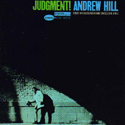
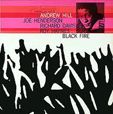
‘Classic Vinyl Series.’
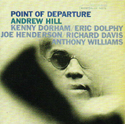
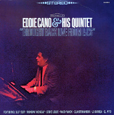
A cor-blimey line-up, and a masterpiece, recorded on the first day of spring in 1964. Dorham, Dolphy, Joe Henderson, Richard Davis, Tony Williams.
‘Classic Vinyl Series.’ ‘Ultimate HQ CD’ from Japan, using the recent Craft transfers and mastering.
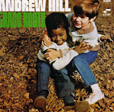
Booker Ervin! Mira!
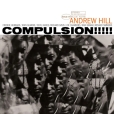
Stretching out in 1965, with John Gilmore, Joe Chambers and co, two extra percussionists, and two bassists on one track. Abstract, fierce, textured, compelling.
A thrilling, uncompromising blend of free jazz, funk, and blues.
JH is at his most intensely wake-the-dead and crying, on alto saxophone, with Baikida Carroll on trumpet, Phillip Wilson on danceable tuned drums, and Abdul Wadud playing a blinder on cello.
“So the great names, Johnny Coltrane and stuff like that? Most all of them were extraordinary blues players. This music is blues-driven. In terms of what has gone on before. Now where it goes from here — where it is going from here — may not be the same thing, ’cause it has to change, or it’ll die in my opinion. You know what I mean? The traditions keep on turning over! People keep looking rearward for the tradition. The tradition in this music is forward! Forward! Not what you did last week, but this week! You see what I’m saying? Now… that’s a hard road.”
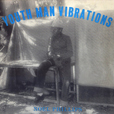
An excellent Echo Minott LP for Jammys in 1981. Sly and Robbie, Deadly Headley, Winston Wright and co. The opener is a killer next take of the awesome Open The Gate Bobby Boy rhythm.
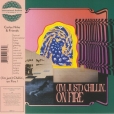
This started out a couple of years ago as a grounation drumming session above the old headquarters of the Mystic Revelation Of Rastafari, in Wareika Hill, Kingston, JA. Four funde, a repeta and a bass drum. Back in London, contributing flute and guitar, Kenrick Diggory unbottled the deep rootical psychedelia and sheer awe of Hunting — the Keith-Hudson-versus-Count-Ossie wonder of the world — and Tapes added electronics, a shot of Drum Song… and a giddily intense binghi dub.
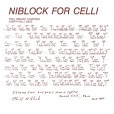
Coming after Nothin To Look At Just A Record, with its densely layered trombones, this is Niblock’s second, rarest LP, from 1984: a collaboration with Joseph Celli (who himself had worked with Cage, Oliveros and Ornette), playing oboe and English horn.
Niblock creates seamless, ringing drones by skilfully cutting all Celli’s breaths and pauses. Play it loud, he says, for its viscerality, and to get its ringing overtones rolling around your room.
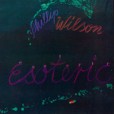
The marvellous Art Ensemble Of Chicago drummer, solo and duetting with cornettist Olu Dara in 1977-8 — ‘with extreme intimacy, sometimes exploring the sonority of his kit, sometimes extrapolating on a beat… alongside Dara, one of the great figures of the loft era and a wonderfully polymath musician [and Nas’ dad to boot]... stretching all the way out on the three dedications to Lester Bowie.’