Your basket is empty

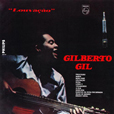
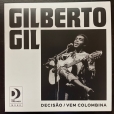
His first album; released in 1967 by Philips.
‘On the eve of the rise of Tropicalismo and electric guitars, the Bahian artist’s guitar is the star of the arrangements orchestrated by Carlos Monteiro e Souza, Dori Caymmi, and Leonardo Bruno. Social, political, and religious issues are transformed into sambas, bossa nova, and classic carnival song, as well as Northeastern rhythms. Gil calls for the people’s attention on the title track, a formidable collaboration with Torquato Neto, also co-author of A Rua, a precocious and bittersweet nostalgic baião. His passion for Bahia spreads like the waters in the lyrical Beira-Mar, composed with Caetano Veloso. Equally poetic is Gil’s vision of the Soviet spacecraft’s moon landing in Lunik 9: ‘Maybe there’s no more moonlight to illuminate my song.’. The young people are called to see truth prevail in a carnival filled with political significance in ‘Ensaio Geral.’ Ancient festivities are recalled in O Rancho da Rosa Vermelha, written with Torquato and Geraldo Vandré, while samba schools get a shout out in Mancada, a great samba full of bossa nova. Written with João Augusto, the brilliant Roda stands out for its rhythmic inventiveness and critical lyrics. A celebration of northeastern resistance, Viramundo is a collaboration with Capinan, as is the nostalgic Água dos Meninos. The simple Maria (Me Perdoa, Maria) is the album’s romantic moment. Sertanejo faith and its social contours are the theme of Procissão, one of Gilberto Gil’s most beautiful and important songs, which closes the album.’
We ship worldwide. The postage rates for your order are displayed before payment, which is processed using Paypal. You can pay using your Paypal account or any of the following cards. No need to join Paypal.