Your basket is empty

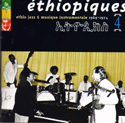
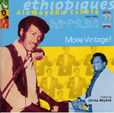
Presenting the musical giant, keyboardist Mulatu Astake — that’s him on the sleeve with Duke Ellington.
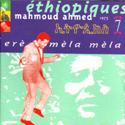
Collects Ahmed’s 1975 recordings for the Kaifa label, including the LP Ere Mela Mela released in Europe by Crammed Discs, back in 1986.
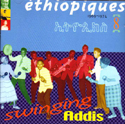
Soul, rhythm and blues, even the Twist re-articulated in Addis Ababa.
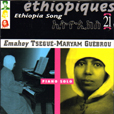
Unmissable, wonderful solo piano. Chopin, Tatum, Satie and company, steeped in the Ethiopian sound.
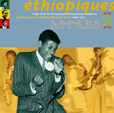
Like volumes one and three, drawing on the legendary Amha Records catalogue, with several newcomers to this fantastic series, and a couple of very early Mulatus. You know what to do.
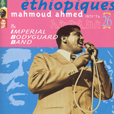
The great singer in rambunctious, rootsy and jazzy recordings from 1972-4.
Precious relics from Berlin, 1908. UNESCO has stumped up for a lavish presentation, with fine notes and translations; but surely the fly in the ointment is the difficulty of actually listening through the music.
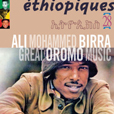
The Imperial Bodyguard Band singer, who tuned his guitar like an oud. Oromo reasoning about love, existence and resistance, with a tasty Arab twang. Mississippi presented him on vinyl recently.
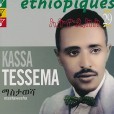
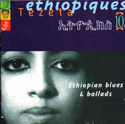
Bluesily poetic baritone singing in the great post-war tradition of Assèfa Abatè, Fréw Haylou, Asnaqètch Wèrqu, Kètèma Mèkonnen and co. Lovely.

Music from the Amha label run by Amha Ashete, driving force of modern Ethiopian music.
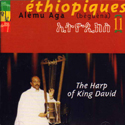
With virtuoso self-accompaniment on the beguena — an oversize ten-string lyre, the oldest instrument played in Ethiopia: religious songs as well as traditional fables, folk tales and poems.
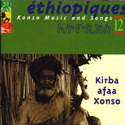
The music of the Konso — a tribe from the Sudanese border country — to do with daily chores, sacred or ritual matters, and entertainment. Flutes, bells, harps, horns, xylophones, drums.
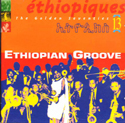
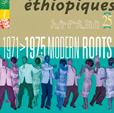
Another survey of the golden age of modern Ethiopian dance music — bound up with the production of vinyl records — between 1969 and 1978.
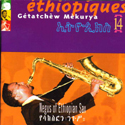
Starting in the early fifties, long before Ayler and Ornette, Mekurya’s stroke of genius was to give improvisatory voice on his saxophone to the ‘shellela’ singing style — epic, harsh, war-like.
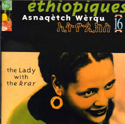
Self-taught on krar-lyre, favourite instrument of the azmari; and — alternately poignant and sarcastic — the last great singer, story-teller and free-thinker to carry on their tradition of poetic cut-and-thrust.
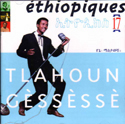
For Ethiopians, their greatest singer of all time; with music arranged by Mulatu Astatqe for the Army Band, the Exhibition Band, the Police Orchestra, the Bodyguard Band.
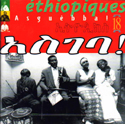
The sequel to Volume 2 in this series, and featuring many of the same singers, accompanied by the messenqo (one-string fiddle), the krar lyre, the kebero drum and the accordion.
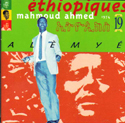
Alemye, from 1974.
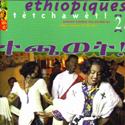
The azmaris were originally wandering minstrels, roaming the Abyssinian countryside. These varied snapshots of the musical life of Addis Ababa in the 1990s are offered as a kind of homage to them.
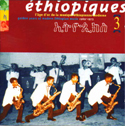
Sublimely tilted like Sun Ra, rocking like James Brown at the Apollo, the tracks here by police bands are a reminder that Ethiopia at the time had no independent modern groups.
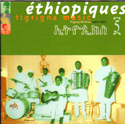
The music of Tigray and Eritrea — where the majorities speak the Tigrigna language — is rhythmically and melodically different from Ethiopian music.
We ship worldwide. The postage rates for your order are displayed before payment, which is processed using Paypal. You can pay using your Paypal account or any of the following cards. No need to join Paypal.