
Your basket is empty

Scorcher. Ska at the threshold of rocksteady. Mittoo and Dizzy Moore do it to it.
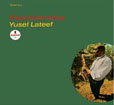
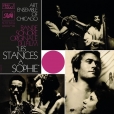
A lovely set from 1965 — taking its own path away from Fire Music, but forwards nonetheless — featuring the under-rated pianist Georges Arvanitas, and the drummer James Black, trumping his brilliant contributions to the Live At Pep’s sessions.
Bamboo Flute Blues and Satie’s First Gymnopedie are ravishing stand-outs.
‘Verve By Request.’
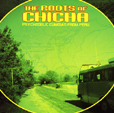
Chicha is the late-sixties, in-thing scrambling of traditionally-demented cumbia dance music. Uncouth electric guitar and organ join the mix, with other electronic debauchery.
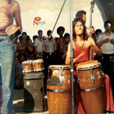
Smoking mid-seventies Latin from Carlos Ruiz’ Ebirac label, headquartered back then in a bustling Puerto Rican community centre on the west side of the city.
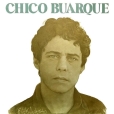
‘At 36 years old, in exuberant form, revisiting songs of his which hit for other artists, like Bastidores (which revived Cauby Peixoto’s career) and Morena de Angola (a smash for Clara Nunes). Released in December 1980, when Brazil was rehearsing its redemocratization even in the throes of continuing political violence, Vida dicloses an artist emerging from censorship. In the irresistible dancehall samba Deixa a Menina, he relishes a feminist response to Geraldo Pereira’s syncopated classic Sem Compromisso: ‘Behind a sad man, there’s always a happy woman / And behind that woman, a thousand men, always so kind.’ The Cubano title track spotlights a character near death, looking back with bittersweet ambivalence, and tightly holding on. ‘Light, I want light,’ sings Chico, threading Goethe’s famous last words into the sublime orchestration of Francis Hime, who creates the masterful arrangements on ten of the twelve songs, elucidating the delicacy of classics like Mar e Lua and Qualquer Canção, and lending the appropriate grandeur to Fantasia. Tom Jobim contributes the arrangement and piano of the masterpiece Eu Te Amo, co-written with Buarque. Another triumph is the bolero-style Bye Bye, Brasil, co-written with Roberto Menescal, humorously reviewing the profound transformation of Brazil during the previous decade.’
A bonafide MPB classic.
Proper socialist to the bone. Great novelist, too.
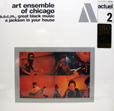
‘Great Black Music’, and funny.
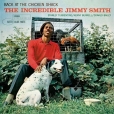
Unmissable Jimmy Smith. With Stan The Man and Kenny Burrell, the perfect foils, in 1963. ‘Ultimate HQ CD’ from Japan, using the recent Craft transfers and mastering.
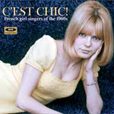
Great-fun, expertly-assembled, well-presented collection of ye-ye girl pop, featuring Francoise Hardy (of course) alongside BB, Anna Karina (from the Godard films) and co.
Tough Jammys do-over of Cuss Cuss, with dangerous bass and banging dub, and Junior in no mood for messing. ‘Galong before we chop off your hand.’
We ship worldwide. The postage rates for your order are displayed before payment, which is processed using Paypal. You can pay using your Paypal account or any of the following cards. No need to join Paypal.