



Your basket is empty

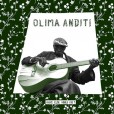
Olima Anditi is a blind guitarist beloved throughout Western Kenya for his old Luo songs about love, morality and politics. This warmly intimate session was recorded in his room in Kisumu, in 2010. Like Usiende Ukualale, it’s lovingly presented, with a colour booklet.

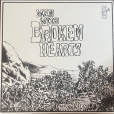
Thrilling primitive gospel from Alabama. Fuzzy, loud, dissonant guitar somewhere between Pops Staples, John Lee Hooker and the outsider R ‘n B of Hasil Adkins. True testifyin’ magic, and highly recommended.
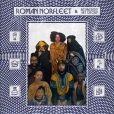
‘Roman Norfleet and Be Present Art Group play deeply felt, sometimes earthy, and sometimes cosmic music. A trio (sax, drums, and organ) are augmented by additional percussion, soaring vocals, and even a vocal appearance by a toddler. Roman Norfleet and Be Present Art Group will take you where you need to go. A spiritual classic for the ages, following the lineage of Alice Coltrane and Pharoah Sanders yet firmly rooted in the present.’
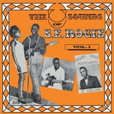
Gorgeous, lilting Palm Wine classics from the venerable Sierra Leonean.
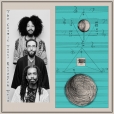
‘The deeply moving second LP by Portland’s The Cosmic Tones Research Trio. A follow up to last year’s beloved All Is Sound, this one sees the Tones adding more percussive elements and pushing their sound into more melodic song-based territory while keeping the ambient / spiritual effect. It’s pretty amazing.
‘Blending cello, alto sax, piano, flutes, and an eclectic palette of textures and percussions, the album channels a sacred energy that feels both ancient and forward-reaching. It is music for reflection, for movement, and for inner travel. Tracks unfold with patient grace, yet pulse with deliberate rhythms that ground the listener—echoing the ceremonial spirit of cosmic jazz and deep improvisational traditions.
‘This is not background music—it’s an invitation to engage fully, to breathe with the instruments, and to explore the liminal space where sound becomes prayer. With The Cosmic Tones Research Trio, Norfleet, Silverman, and Verrett continue to map sonic territories where the mystical and the musical converge.’
Outsider, casio versions of the Electric Prunes, Ramones and co, al fresco in early-eighties San Francisco.
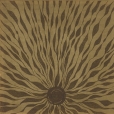
Roiling, cascading, highly charged, deeply emotional piano improvisations by this Dutch-born, Columbia-trained chemist, who was an early follower of Gurdjieff.
Nyland released sixteen transcendent albums — nowadays pretty much vanished — of spiritual pianism on his own Gage Hill Press, starting in the mid-sixties. Each LP came with stunning woodcut artwork by Nyland’s wife, Ilonka Karasz (who also designed covers for the New Yorker); and highly refined black-and-white photography.
Piano Studies 337 is a particularly tempestuous performance that Nyland himself recommended to Ansel Adams as a good entry-point to his music.